Hire Express.js Developers
What Our Express.js Developers Can Do
Custom Backend Development
Building out the server side of web and mobile apps (authentication, business logic, user accounts, data processing etc).
REST API Development
Creating and maintaining REST APIs using Express.js (routing, request validation, middleware, error handling and API documentation).
Third-Party Integrations
Integrating payment gateways, banking APIs, identity verification providers, CRMs and all the other assorted bits via APIs and webhooks.
Database Development
Working with MongoDB and PostgreSQL on database models, queries, indexing, migrations and application data.
Express.js Migration & Upgrades
Updating older Express.js apps, migrating the JS code to TypeScript and replacing outmoded dependencies and backend modules.
Backend Performance Optimization
Investigating slow API responses, slow database queries, middleware issues, server side processing. Our developers also work with Redis caching.
Authentication & Security
Implementing user authentication, permissions, access controls, input validation and transaction approval logic for any application that's going to be dealing with sensitive data.
Express.js Maintenance
Adding features, fixing bugs, code reviews, package updates and the ongoing maintenance of the existing Node.js/Express.js applications.
Express.js Projects Delivered by Our Team
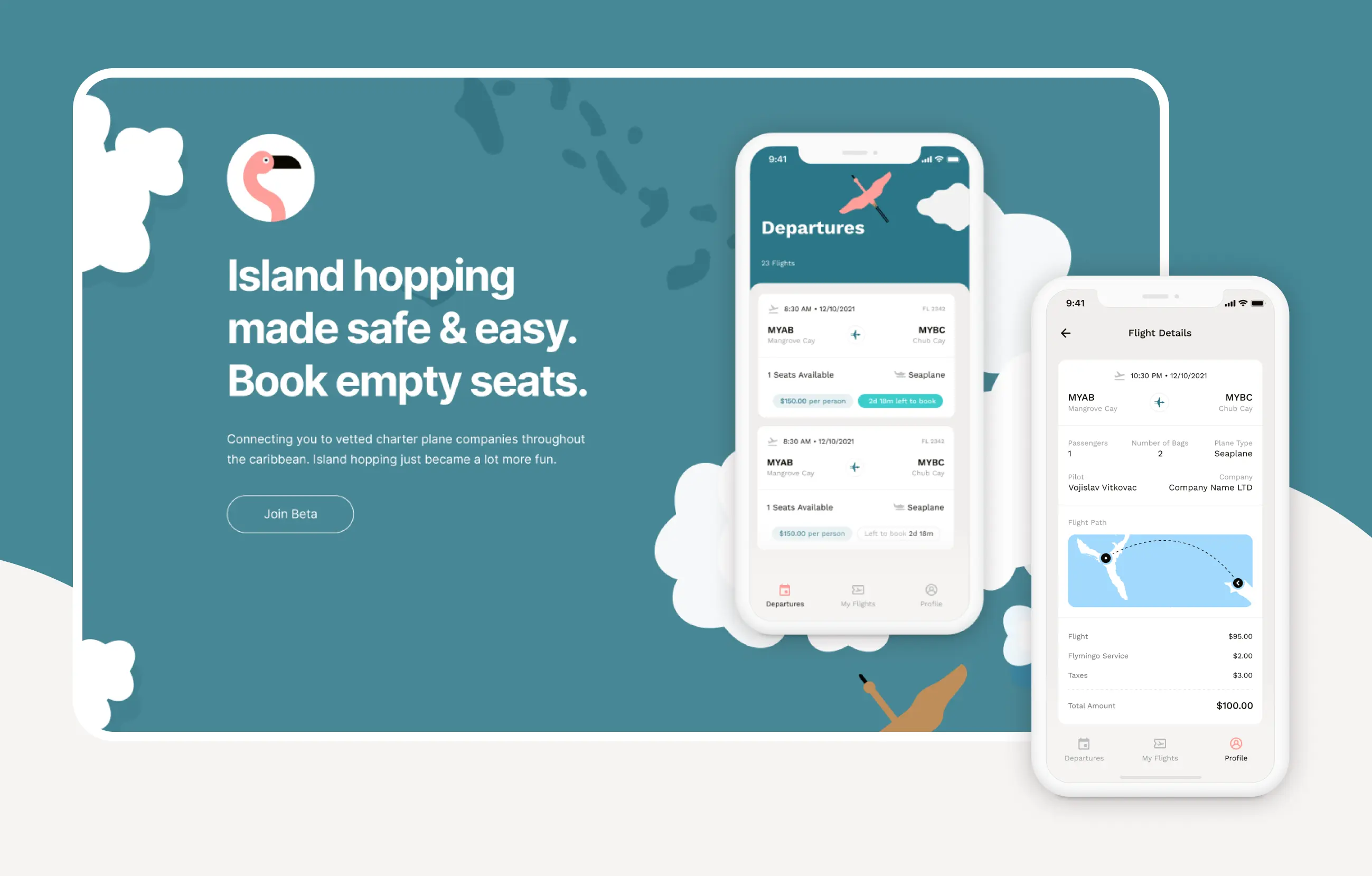
Custom Flight Booking App Development
An Uber-like app that connects charter flight pilots with travelers, making it easier to book and share the cost of flights to the Bahamas.
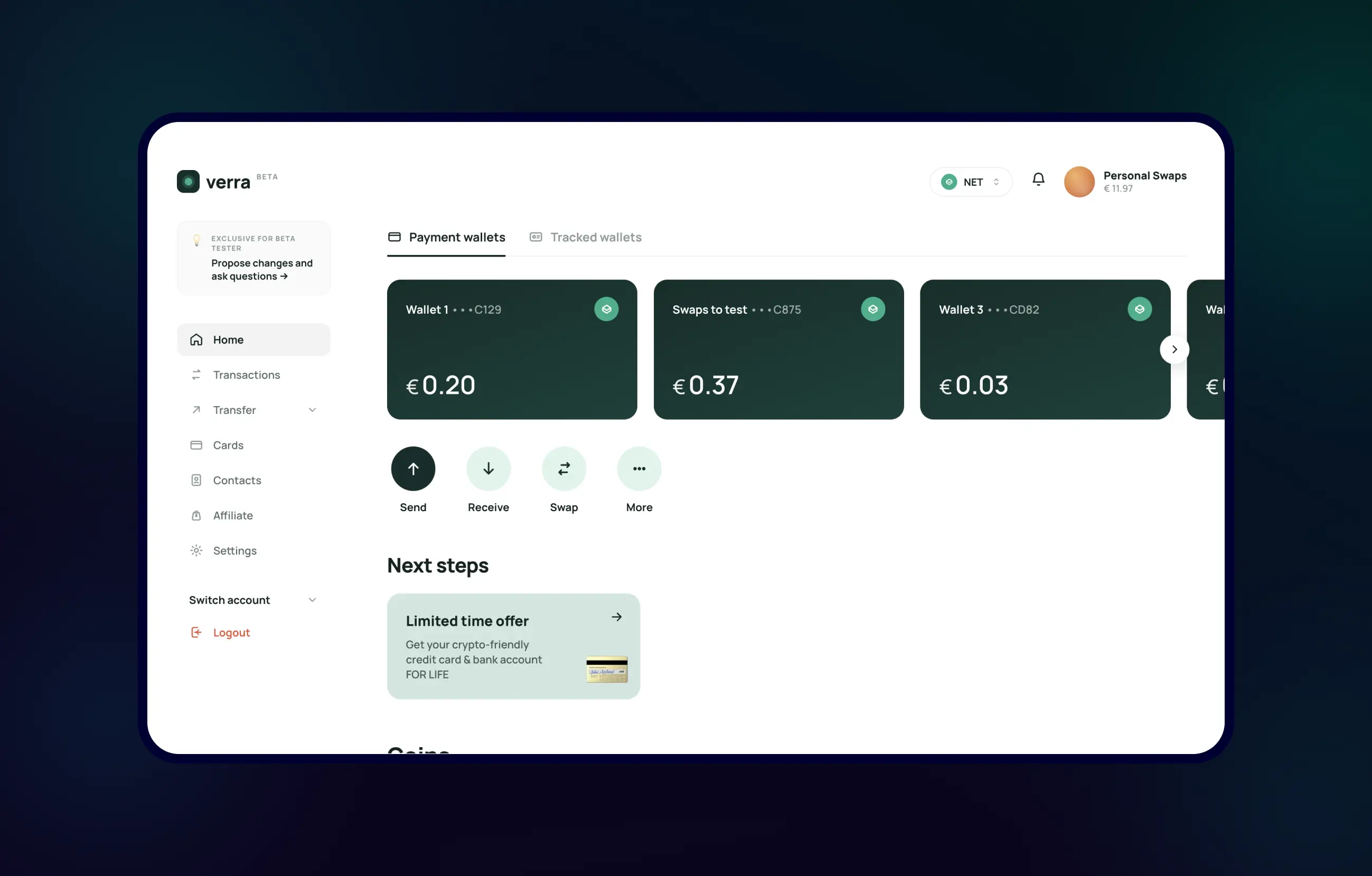
Asset Management Platform Development
A digital asset platform for managing funds and spending crypto through virtual and physical cards across personal and corporate accounts.
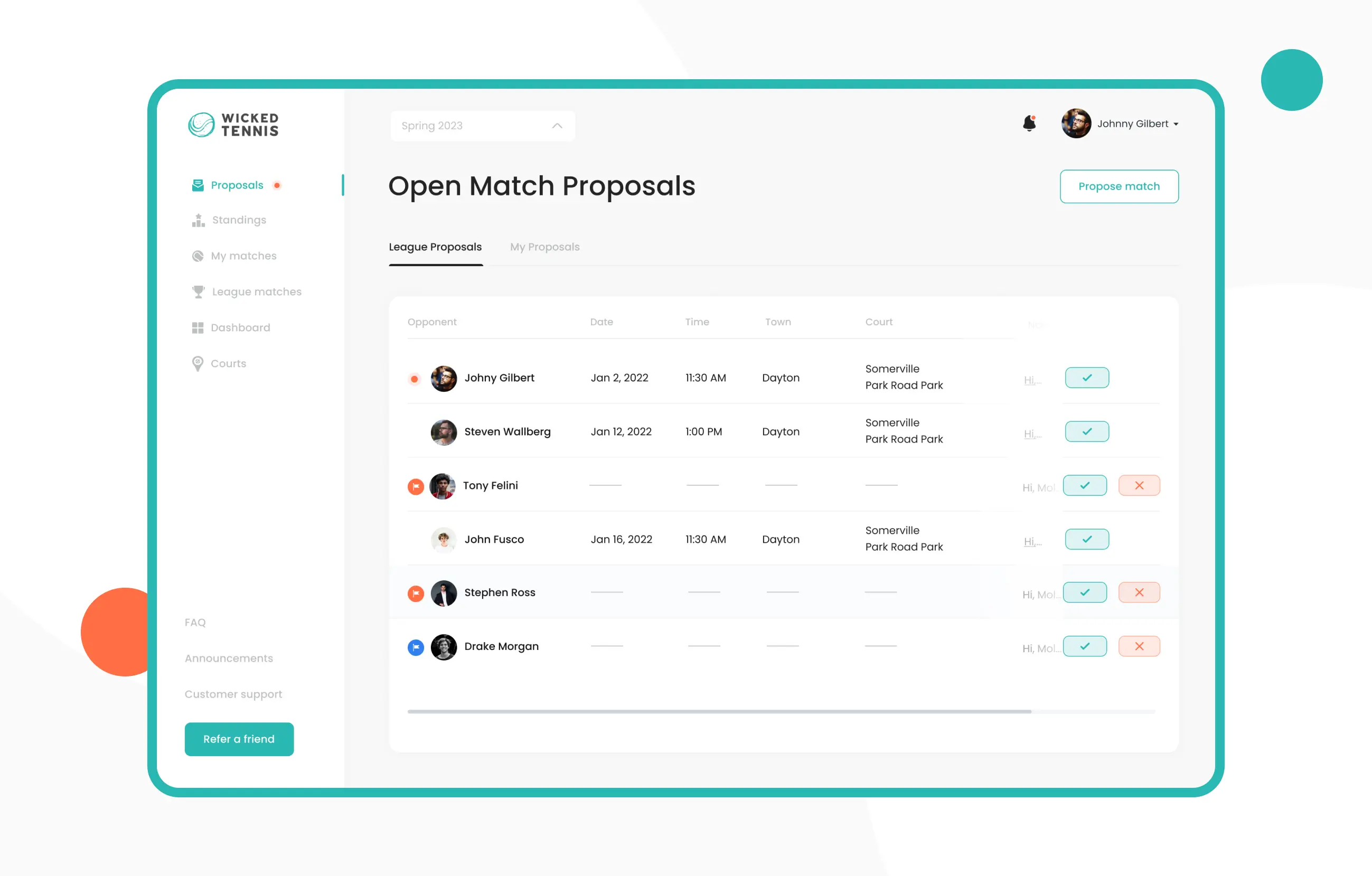
Fitness Tracker App Development
A platform that helps players in Boston quickly find opponents and schedule tennis matches without long coordination.
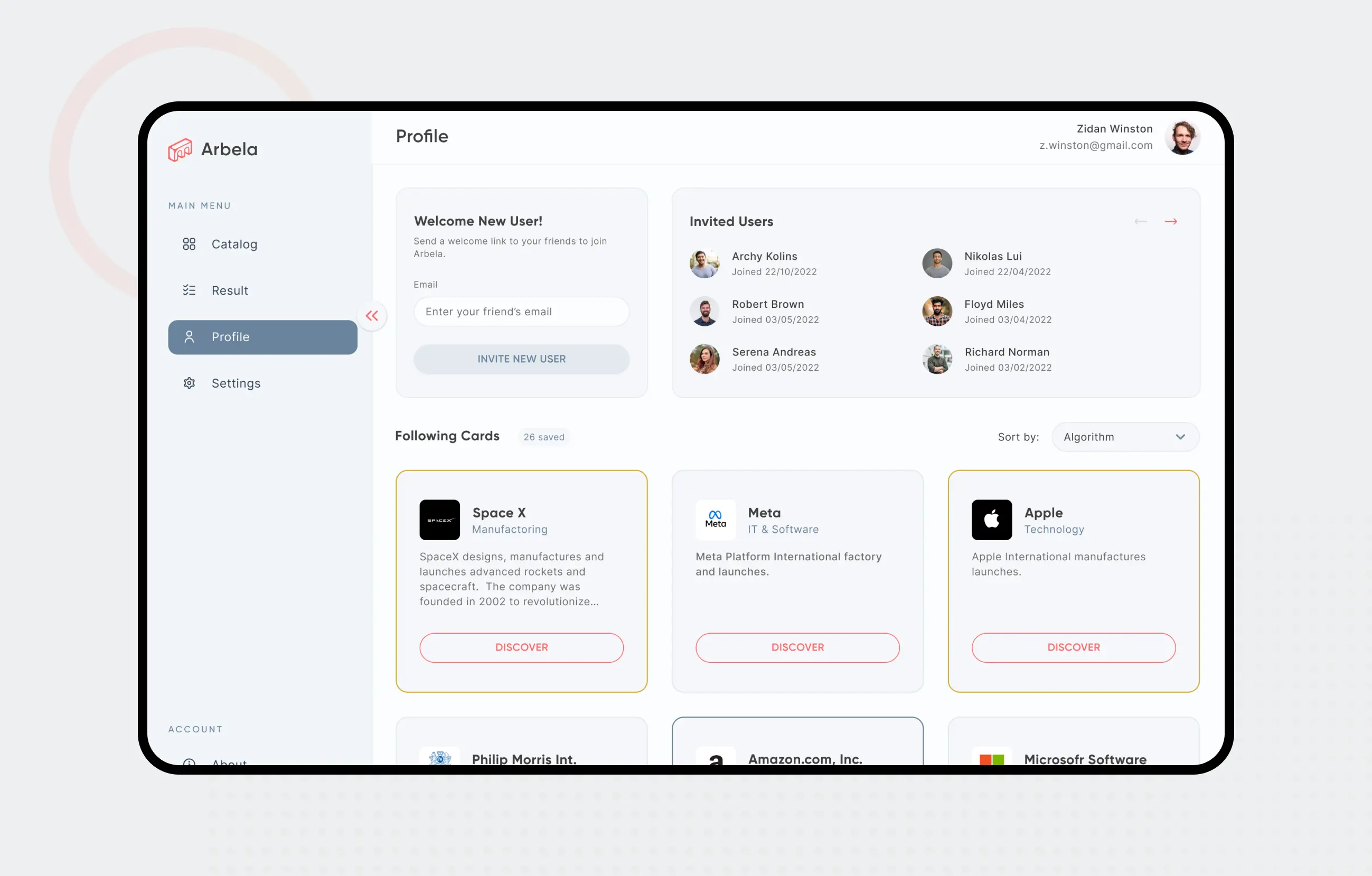
Web3 Investment Platform Development
A collaborative Web3 investment platform where users can discover startups, discuss opportunities, and vote on investment ideas.
Hire an Express.js Developer with a One-Week Trial
Name
Hire Express.js Developers for Your Industry
FinTech Applications
Engineers with experience in payment integration, digital wallets, transaction management, financial APIs and KYC/KYB workflows.
Web3 & Crypto Platforms
Developers with experience of crypto platforms, digital asset management, wallet integrations, blockchain APIs and transaction processing.
SaaS Products
Backend developers for subscriptions, account management, permissions, billing, reporting and multi-tenancy.
Marketplaces & E-commerce
Express.js developers for booking systems, product catalogues, order processing, payments, notifications and integration with all the other external platforms.
AI-Powered Applications
Developers who can connect Node.js backends to LLM APIs, AI services, document retrieval systems and automated workflows.
How to Hire Express.js Developers from Stubbs
1
Share Your Requirements
Tell us about your application, your current stack and what you need done. We'll also look at the developer's level of experience, their availability and what their role will be.
2
Review Developer Profiles
We select engineers with relevant Express.js and Node.js experience. You'll get their CVs and will have the opportunity to look at their past work prior to arranging an interview.
3
Interview the Candidates
Speak directly to the developers. You can pose technical questions, discuss your codebase and get a feel for how they'd go about doing the work.
4
Start Development
Once you’ve selected a developer, we arrange the agreement and onboarding. The engineer then joins your workflow, gets access to the tools they need and gets on with the work as per the agreed tasks. You can start with a one week trial before moving onto a longer engagement.
Our Express.js Developer Hiring Models
Staff Augmentation
Add an Express.js developer to your existing team. You're the one who manages the tasks and priorities, they're the one who does the work in your development process.
Best for: organisations who already have technical leadership in place and just need some additional backend capacity.
Dedicated Express.js Developers
Hire an engineer for ongoing backend development, API integrations, maintenance or a regular product backlog.
Best for: businesses that want consistent dev support over a number of months.
Dedicated Development Team
Bring in a few engineers to work on the larger application. We can also get in QA, project management and technical leadership.
Best for: organisations developing a new product or managing multiple development workstreams.
Why Hire Express.js Developers from Stubbs?

1
Experience with Financial Systems
Our engineers have worked on crypto exchanges, digital asset platforms and financial apps with payment integrations and complex permissioning. This includes backend work involving Fireblocks, identity verification services, financial transactions, and internal administrative tools.
2
Backend and Full-Stack Developers
Some projects will require a developer who is purely a backend developer. Others will benefit from someone who has a good understanding of the frontend as well. Our team works with Express.js, Node.js, TypeScript, React, and Next.js. We can match the developer’s experience to the responsibilities of the position.
3
20+ Engineers and 100+ Projects
Stubbs have been building software since 2019. The team is made up of mid and senior level engineers with experience across FinTech, Web3, SaaS, healthcare and marketplaces.
4
Direct Communication with Developers
The engineer you hire works directly with your team. They can join sprint meetings, look at pull requests, get involved in the technical discussions and use your existing repos and your existing project management tools.
5
AI-Assisted Development
Our devs use AI tools (Cursor, GitHub Copilot) for code analysis, refactoring, testing and the like. All changes are reviewed by engineers prior to merge.
Frequently Asked Questions
1. How much does it cost to hire an Express.js developer?
How much does it cost to hire an Express.js developer?
At Stubbs Express.js developer rates generally start at $30/hr. The actual rate will of course vary depending on experience, scope of work and the technical nature of the project.
Our typical hourly rates are:
| Developer Level | Hourly Rate | Monthly Cost (160 hours) |
|---|---|---|
| Mid-Level Express.js Developer | $30–35 | $4,800–5,600 |
| Senior Express.js Developer | $35–45 | $5,600–7,200 |
| Tech Lead / Solution Architect | $40–55 | $6,400–8,800 |
For example a senior Express.js developer would cost you around 16,800-21,600 if you hired them on a full time basis for three months.
You can also arrange part time co-op if your application only requires a bit of additional backend development for a limited number of hours.
2. What does an Express.js developer do?
What does an Express.js developer do?
An Express.js developer builds and maintains the backend for web and mobile apps using Express.js (an Express.js framework for Node.js).
Their day job can involve building API endpoints, implementing the business logic, managing the databases, dealing with authentication and connecting the app to third party services.
3. What skills should I look for when hiring an Express.js developer?
What skills should I look for when hiring an Express.js developer?
Start with Node.js and JavaScript (or TypeScript). A developer should be comfortable with asynchronous programming, promises, error handling and how the Node.js runtime actually processes requests.
For Express.js specifically you'll want to be experienced in routing, middleware, request validation, authentication and API development.
Database experience is just as important. A lot of the backend work is going to be around reading data, storing data and updating data so the dev will need to be comfortable with MongoDB, PostgreSQL or the database that your app is already using.
4. What is the difference between an Express.js developer and a Node.js developer?
What is the difference between an Express.js developer and a Node.js developer?
Node.js is the runtime that runs JavaScript on the server. Express.js is a framework that sits on top of Node.js and makes it much easier to build HTTP APIs and web servers.
A Node.js dev could be working with Express.js, NestJS, Fastify or one of the other frameworks. An Express.js dev is one who specialises in building apps using Express and the middleware approach.
The roles overlap considerably. If you're currently on Express.js for your backend then it makes sense to recruit someone who's actually got experience in maintaining that particular framework. They need to understand how your routes, your middleware, your error handling and your application modules all work together.
5. Can I hire an Express.js developer for an existing project?
Can I hire an Express.js developer for an existing project?
Yes, our engineers can join applications that were originally developed by another team.
You don't need to rebuild your app or replace your dev team. The engineer you hire can just work in your repos and adhere to your own coding standards.
If there are any technical issues that need to be addressed prior to the new features being developed we'll raise them with you during the initial review.
6. Can Express.js developers work with TypeScript?
Can Express.js developers work with TypeScript?
Yes. Express.js works with both JavaScript and TypeScript. TypeScript is useful when you've got a number of backend modules, shared data structures and integrations where the developers are all working with well defined types.
Our developers use TypeScript with Express.js for the API handlers, services, the models and the integrations.
They can also be used to help migrate an existing JavaScript backend to TypeScript. That doesn't have to be a wholesale exercise. It's entirely possible to introduce TypeScript incrementally, starting with the parts of the app where the benefits of stronger type checking would be most apparent.
TypeScript does type checking at development time. It won't validate the data that you receive from users or from external APIs so you still need to do runtime validation.
7. Should I hire an Express.js developer or a NestJS developer?
Should I hire an Express.js developer or a NestJS developer?
The choice really comes down to what framework your application is already built on and what you need to do.
Express.js gives you a massive amount of freedom in terms of how you organise your routes, your middleware and your application logic. It's very commonly used for APIs, custom backends and the like where you don't necessarily need a whole lot of framework convention.
NestJS takes a more structured approach with modules, dependency injection and all the associated architectural patterns. Can be quite useful on a larger project where you've got several backend devs working on various modules.
One technical point is that NestJS can run on top of Express.js, though you'd be developing with a very different set of conventions if you were using NestJS.
If you've got an existing Express app then get someone who knows the architecture of that. Just because another framework is available doesn't mean you should switch to it without some very good technical reason.
8. Can I hire a full-stack developer with Express.js experience?
Can I hire a full-stack developer with Express.js experience?
Yes. Stubbs have developers working on the backend with Express.js and on the frontend with React or Next.js. A full stack dev can deal with features that require changes to both sides of the app.
9. How quickly can I hire an Express.js developer?
How quickly can I hire an Express.js developer?
The timescale for hiring will be dictated by the level of experience required, the tech involved and developer availability.
We start off by discussing your requirements and then selecting engineers who have the requisite backend experience. You'll then be able to go through their profiles and interview the candidates.
For projects that are using a common stack (Node.js, Express.js, TypeScript and MongoDB) it's fairly easy to meet the technical requirements.
10. Can I hire an Express.js developer part-time?
Can I hire an Express.js developer part-time?
Yes, part time co-op is available for projects that don't require a full time backend engineer.
The schedule and expected hours are all agreed upon at the outset of the engagement. If at a later stage you do end up needing more development capacity then we can obviously talk about extending the workload or adding in another engineer.
11. Can your Express.js developers handle payment and financial integrations?
Can your Express.js developers handle payment and financial integrations?
Yes, our team have a track record of building financial applications and integrating them with third party providers. This is payment APIs, crypto services, ID verification and the various back end workflows that involve financial transactions. If your app uses a particular payment provider we'll look at the integration requirements when we're matching up the developers.
12. Do you offer a trial period for Express.js developers?
Do you offer a trial period for Express.js developers?
Yes, Stubbs do offer a one week trial via their staff augmentation service.
The trial gives you the chance to work with the developer on your real application rather than just assessing their skills via an interview.
You can assess the communication, the code quality, the level of understanding of your backend architecture and how the engineer goes about doing the job.
13. What is the difference between hiring a dedicated Express.js developer and outsourcing a project?
What is the difference between hiring a dedicated Express.js developer and outsourcing a project?
The key difference is who does the development work.
When you employ a dedicated Express.js developer the dev becomes part of your team. Your technical lead or PM will be the one to do the task planning, the prioritisation and the technical decisions.
With project outsourcing the dev company take responsibility for a defined scope of work. That could be architecture, development, testing, deployment and project management.
If you already have a backend team and just need another engineer to help with API development or API maintenance then staff augmentation is probably the way to go.
If you're looking at building an entire backend and don't have an in-house engineering team to manage it, project based development or a dedicated team would probably be the way to go.schedule and required time zone overlap before the engagement begins.
We would love to help.
What are you interested in:
Name
Tell us about your project and goals
0/1000
Add your file
