View all
Web DevelopmentMobile Development UX/UI DesignStaff Augmentation CTO as a ServiceDedicated TeamLow-Code DevelopmentNext.js Development Company
Next.js development services for SaaS platforms, marketplaces, e-commerce products, customer portals, and content-driven websites.
Build a new application, migrate an existing React product, connect a headless CMS, or improve the performance of a live platform with a team experienced in Next.js, React, TypeScript, and Node.js.
Next.js Development Services We Provide
Custom Next.js Web Development
Custom web applications built around the product’s users, functionality, content, integrations, and plans for future development.
Next.js Support and Maintenance
Bug fixes, dependency updates, monitoring, performance improvements, and further feature development for existing Next.js applications.
Next.js Product Scaling and Modernization
Architecture updates and new functionality for products that need to support more users, content, data, integrations, or internal workflows.
Enterprise Next.js Application Development
Complex web platforms with multiple user roles, business processes, integrations, administrative tools, and long-term development requirements.
Next.js Consulting Services
Technical guidance on architecture, rendering, migration, infrastructure, performance, and the most suitable Next.js setup for the product.
React and Legacy Migration to Next.js
Gradual migration of React SPAs and older web applications to Next.js without rebuilding the entire product at once.
Next.js Performance Optimization and Code Audit
A review of rendering, bundles, caching, data fetching, images, third-party scripts, integrations, and infrastructure to find the actual causes of slow performance.
Headless CMS Development with Next.js
Next.js websites and applications connected to Storyblok, Strapi, Directus, or another content management platform.
Next.js E-commerce and Marketplace Development
Storefronts and marketplaces with catalogs, search, user accounts, payments, bookings or orders, content management, and external commerce services.
Next.js API and Third-Party Integrations
Connections with payment providers, CRMs, analytics platforms, authentication services, business APIs, and existing backend systems.
Next.js Projects Delivered by Our Team
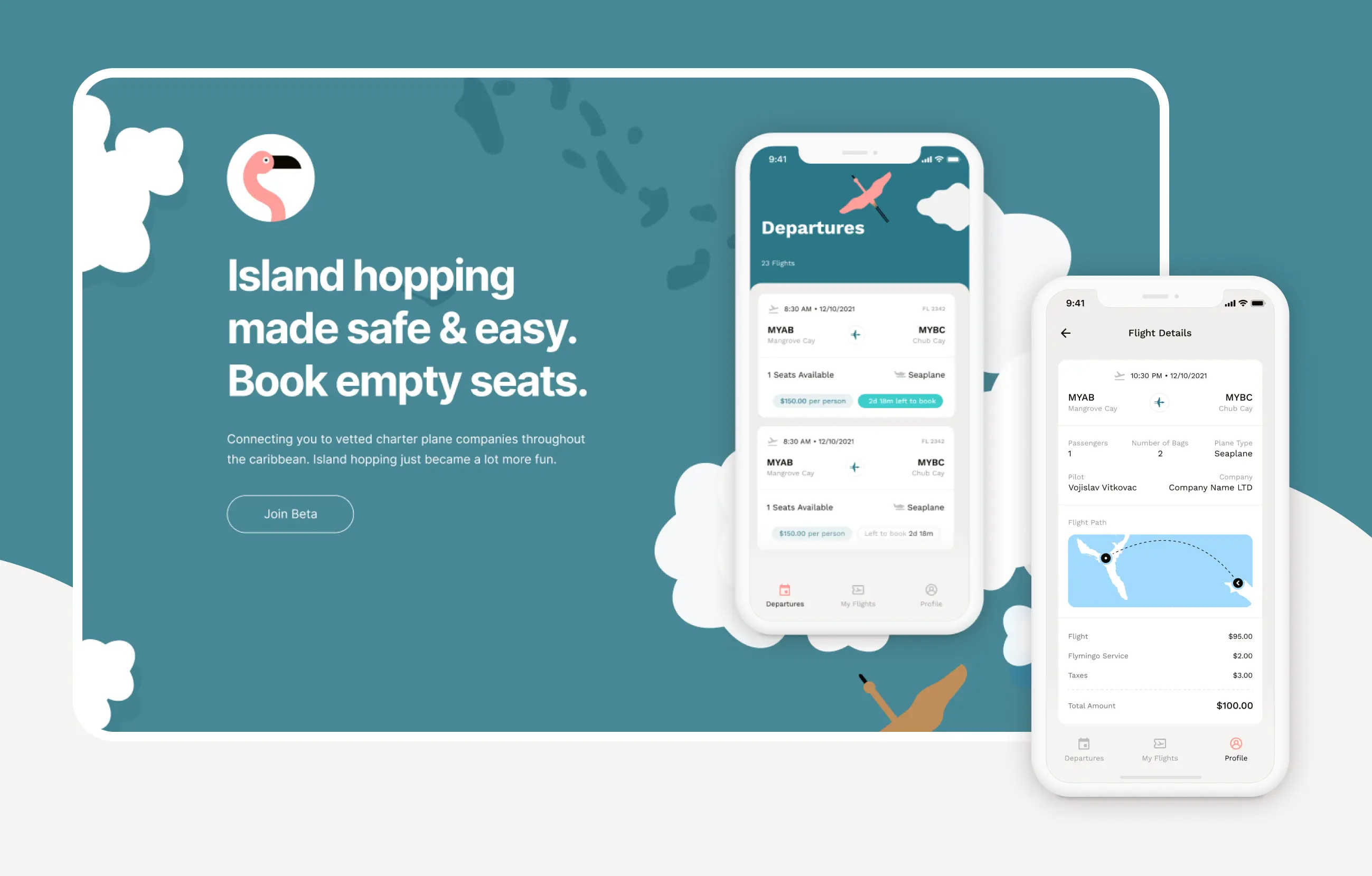
Custom Flight Booking App Development
An Uber-like app that connects charter flight pilots with travelers, making it easier to book and share the cost of flights to the Bahamas.
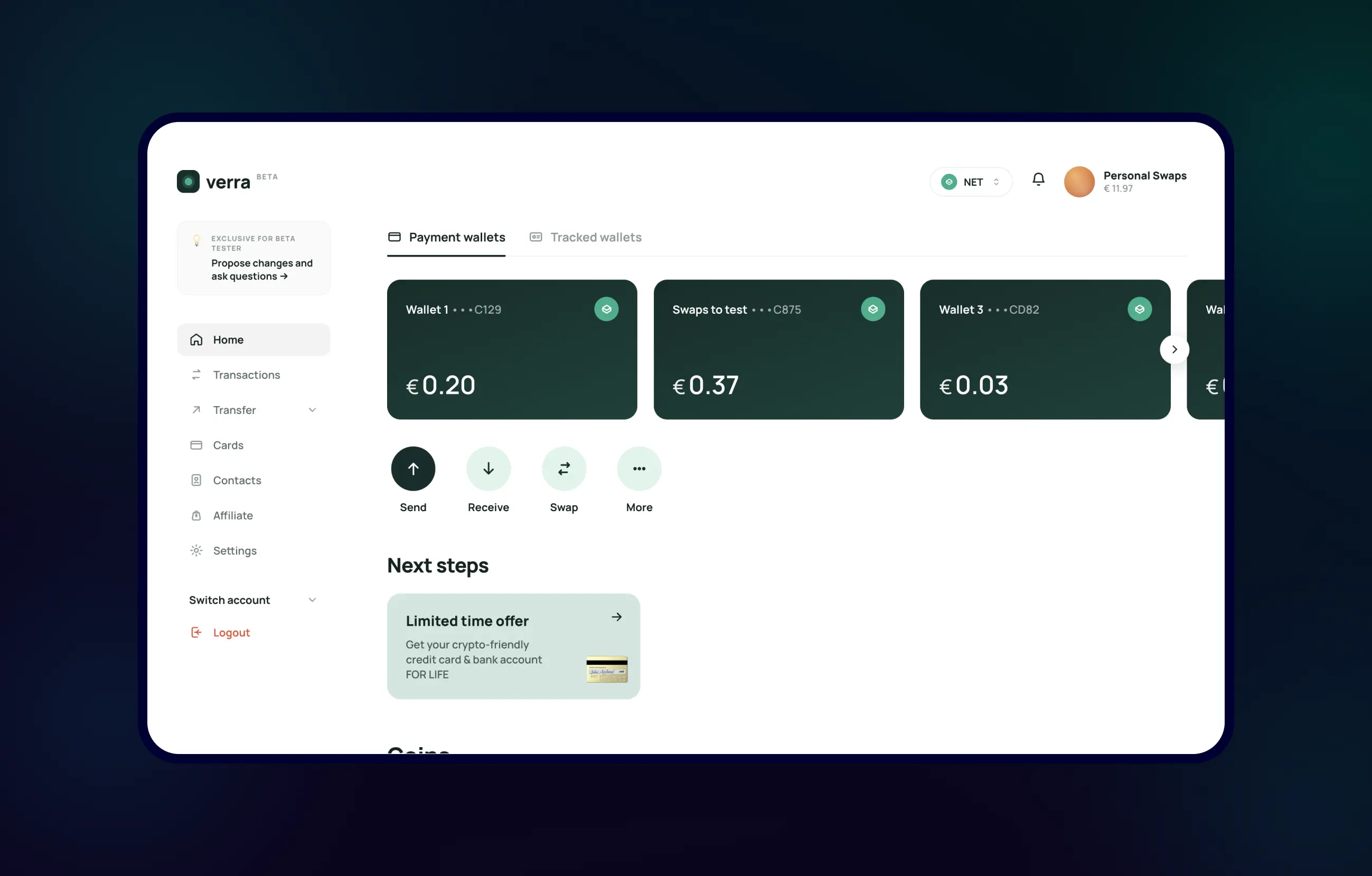
Asset Management Platform Development
A digital asset platform for managing funds and spending crypto through virtual and physical cards across personal and corporate accounts.
-1747136709263.webp)
Fitness & Weight Tracking Platform Development with Smart Predictions
A smart weight tracking platform that combines progress visualization, goal tracking, and predictive insights.
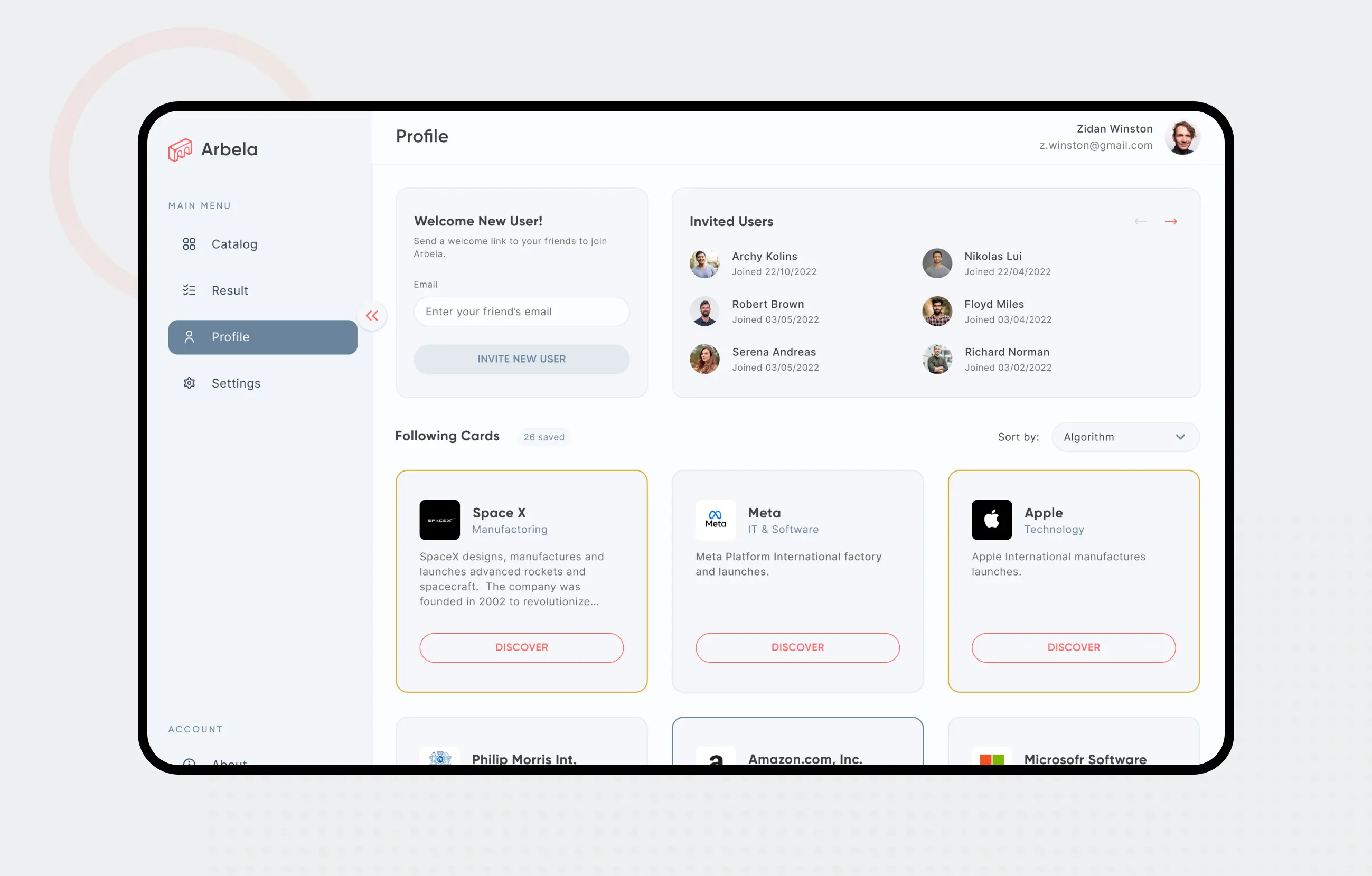
Web3 Investment Platform Development
A collaborative Web3 investment platform where users can discover startups, discuss opportunities, and vote on investment ideas.
What We Build with Next.js
SaaS Platforms
Subscription products with user accounts, dashboards, different user roles, integrations, admin tools, and regular updates.
Marketplaces
Platforms connecting customers and providers using listings, search features, payments, bookings or orders, notifications, reviews, and back-office tools.
E-commerce Storefronts
Fast storefronts connected to custom backends, product information systems, payment providers, inventory tools, and content management platforms.
Content-Driven Websites
Corporate websites, media platforms, blogs, landing pages, and other products that let content teams publish flexibly without needing a developer for every update.
Customer and Partner Portals
Secure web applications for customers, employees, service providers, or business partners, offering personal accounts and role-based access.
Internal Business Systems
Dashboards, reporting platforms, admin panels, workflow tools, and apps that connect to your company’s existing services.
Have an Existing React or Next.js Product?
Get an initial technical review for migration, performance improvement, modernization, or further feature development.
Why Use Next.js for Web Development?
1
Flexible Rendering for Different Pages
Different pages in a web product have different needs. With Next.js, you can use various rendering and caching methods for things like public content, product catalogs, user dashboards, or pages with frequently updated data—all within one application.
2
Better Foundation for Search Visibility
Next.js gives you tools to manage metadata, sitemaps, structured content, and pages that search engines can easily find. However, it does not guarantee top rankings. Factors like content quality, site structure, authority, competition, and your overall SEO strategy are still important.
3
Faster Loading and Navigation
Features like code splitting, route prefetching, caching, and image optimization help pages load faster and make navigation smoother. Actual performance will still depend on your app’s architecture, third-party scripts, content, data requests, and how you use the framework.
4
Less Unnecessary Browser-Side Code
You can handle content and some app logic on the server, while keeping interactive features in the browser. This means users get less JavaScript on pages that don’t need a lot of client-side interaction.
5
Routing and Server-Side Functionality
Next.js includes routing, layouts, loading and error states, and server-side features all in one framework. This is helpful for products that need more than just a basic React frontend.
6
Headless and Integration-Friendly Setup
Next.js can work as the frontend for a headless CMS, commerce platform, custom backend, or other external services. This lets companies control the interface without having to replace all their existing systems.
7
Image and Font Optimization
Built-in tools help serve appropriately sized images, manage fonts, and reduce avoidable layout shifts. These features still need to be configured around the actual content and design of the product.
Technologies
Front-end
Back-end
Mobile
Deployment
CMS
QA
Integrations

-1747731627136.webp)
-1749023935755.webp)


-1747731983305.webp)

-1747732042514.webp)

-1747732097673.webp)

-1747732122263.webp)

-1747732160762.webp)

-1747732191631.webp)
Stages of work
Next.js Software Outsourcing and Team Options
Full-Cycle Next.js Development
A dedicated team handles architecture, UI implementation, backend integrations, testing, deployment, and ongoing development for new products or larger delivery scopes.
Dedicated Next.js Developers
Add a Next.js, React, or full-stack engineer who works within your existing architecture, tools, workflows, and product roadmap.
Team Extension
Expand your development capacity for a migration, redesign, performance optimization, new feature roadmap, or period of increased workload.
Ongoing Next.js Support
Keep access to engineers after launch for updates, bug fixes, monitoring, performance improvements, integrations, and further product development.
Team
Get a Consultation with Senior Next.js Developers
Why Choose Our Next.js Development Company?
-1747817858263.png)
1
Skilled and Experienced Team
Our team consists of mid-level and senior engineers with years of hands-on experience. They’ve completed over 100+ projects and confidently carry out tasks of any complexity.
2
Experience with SaaS, FinTech, and Marketplaces
We have built products with user roles, subscriptions, payments, financial workflows, external integrations, real-time features, dashboards, and admin systems.
3
New Products and Existing Applications
We can build a Next.js product from scratch, migrate an existing React application, improve a live codebase, or take over development from another team.
4
Flexible Cooperation Models
Start a project with a complete development team, extend your current engineering capacity, or use ongoing Next.js support when you need it.
5
Efficient Development with AI-Assisted Workflows
We use AI tools and the latest technologies to streamline processes and accelerate development, delivering results faster without compromising quality.
6
Code Quality and Clear Delivery
We follow typing standards, do code reviews, run automated tests, and use runtime checks and CI/CD. Our process is open, with clear priorities, regular updates, and working releases.
FAQs
1. What does a Next.js development company do?
What does a Next.js development company do?
A Next.js development company builds, migrates, improves, and supports web applications based on Next.js and React.
The work may include architecture, frontend development, server-side functionality, API integrations, headless CMS setup, performance optimization, testing, deployment, and ongoing feature development.
2. What Next.js development services do you provide?
What Next.js development services do you provide?
Our Next.js services cover building custom web apps, moving from React or older systems, connecting headless CMS, creating e-commerce sites, checking performance, adding third-party tools, consulting, and ongoing support.
We can build a full application or help with just one part of your existing product.
3. What is the difference between React and Next.js?
What is the difference between React and Next.js?
React is a library for building user interfaces. Next.js is a framework based on React that adds routing, rendering options, server-side functionality, caching, metadata management, and production tooling.
React may be enough for a standalone client-side interface. Next.js is often a better fit when the product also needs public content pages, search visibility, server-rendered data, structured routing, or frontend and server functionality in the same project.
4. What are the benefits of SSR, static generation, and revalidation?
What are the benefits of SSR, static generation, and revalidation?
These approaches allow different pages to be prepared and updated in different ways.
Static generation works well for content that does not change with every request. Server rendering can be useful for dynamic or request-specific content. Revalidation allows previously generated pages to be updated without rebuilding the entire website.
The best option depends on the type of page, where your data comes from, how often things change, and what kind of user experience you want.
5. Can you migrate an existing React application to Next.js?
Can you migrate an existing React application to Next.js?
Yes. We usually start migration by reviewing your current routing, components, state management, APIs, authentication, and build setup.
We can often migrate in stages, so old and new parts of your app can run together for a while. The exact plan depends on how your frontend connects to the backend and other systems.
6. Can migration be completed without downtime?
Can migration be completed without downtime?
Many React-to-Next.js migrations can be released gradually with little or no visible interruption for users.
However, zero downtime cannot be promised before reviewing the architecture, infrastructure, test coverage, and deployment process. The goal is to minimize disruption rather than make an unrealistic guarantee.
7. Can Next.js be used for full-stack development?
Can Next.js be used for full-stack development?
Yes. Next.js can manage both the frontend and some server-side features in one app.
For bigger projects, Next.js can also connect to a separate backend like Node.js, Express.js, or NestJS. The setup depends on your business needs, integrations, team, security, and how much you expect to grow.
8. How do you handle Next.js performance and Core Web Vitals?
How do you handle Next.js performance and Core Web Vitals?
We start by measuring performance instead of guessing. We look at things like rendering, JavaScript size, caching, images, fonts, data loading, third-party scripts, navigation, and server speed.
The resulting changes can support better Core Web Vitals, but the framework alone does not guarantee specific scores.
9. Is Next.js good for SEO?
Is Next.js good for SEO?
Next.js offers helpful tools for server-rendered or pre-rendered content, managing metadata, sitemaps, structured data, routing, and boosting performance.
These features help search engines crawl and understand your site. However, rankings also depend on your content, links, competition, technical setup, and overall SEO strategy.
10. Which hosting option is best for a Next.js application?
Which hosting option is best for a Next.js application?
Vercel is a common choice because it is designed around Next.js and offers a straightforward deployment workflow.
AWS, DigitalOcean, Docker, and other cloud options might be better if you already have your own setup, need custom networking, or want more control over costs and deployment.
11. Can Next.js work with a headless CMS?
Can Next.js work with a headless CMS?
Yes. Next.js works with Storyblok, Strapi, Directus, and other headless CMS platforms.
Editors handle content in the CMS, and the Next.js frontend decides how it looks. This setup is great for company sites, blogs, online stores, landing pages, and sites in multiple languages.
12. Can you integrate third-party services with Next.js?
Can you integrate third-party services with Next.js?
Yes. We often integrate payment systems, authentication, analytics, CRMs, search tools, headless CMS, maps, email services, and custom business APIs.
Integrations can run through your Next.js app or a separate backend, depending on your security and setup needs.
13. How much does Next.js development cost?
How much does Next.js development cost?
A focused code audit, performance improvement, isolated feature, or initial migration phase usually starts at $5,000–$15,000.
A company website, content platform, or MVP with logins and several integrations usually costs $15,000 to $35,000. More complex SaaS, marketplaces, or e-commerce projects can range from $35,000 to $80,000 or more.
The final cost depends on the number of pages and features, backend requirements, design, integrations, content migration, testing, and infrastructure.
14. How long does a Next.js project take?
How long does a Next.js project take?
A focused audit, feature, or migration phase may take 2–6 weeks. A corporate website or MVP commonly requires around 6–12 weeks.
A larger SaaS, marketplace, or e-commerce platform may take 3–6 months or longer, depending on the functionality, integrations, design, backend, and existing systems.
15. Do you provide Next.js maintenance and support?
Do you provide Next.js maintenance and support?
Yes. Support may include dependency updates, bug fixes, monitoring, performance improvements, new functionality, integrations, testing, and infrastructure work.
It can be arranged as ongoing product development or as additional technical capacity for an internal team.
16. Do I own the source code after development?
Do I own the source code after development?
Yes. Source code and agreed project deliverables are transferred according to the development agreement.
Documentation, deployment instructions, and a structured handover can also be prepared if another internal or external team will maintain the application.
We would love to help.
What are you interested in:
Name
Tell us about your project and goals
0/1000
Add your file
