View all
Web DevelopmentMobile Development UX/UI DesignStaff Augmentation CTO as a ServiceDedicated TeamLow-Code DevelopmentExpress.js Development Company
Build scalable APIs and backend systems with a team experienced in Node.js and Express.js.
Our Express.js development services cover new backend development, existing product expansion, legacy modernization, and ongoing support for SaaS, fintech, marketplaces, and internal platforms.
Express.js Development Services We Provide
Custom Express.js Backend Development
Custom Express.js backends with clear architecture, reusable modules, secure data handling, and room for future features.
Express.js API Development
REST and GraphQL APIs for web and mobile applications, including authentication, validation, documentation, and error handling.
Express.js Performance Optimization and Scaling
Application logic, database queries, caching, middleware, and infrastructure are reviewed to improve performance and support higher loads.
Express.js Migration and Modernization
Legacy Node.js backends are restructured, updated, and migrated to a more maintainable Express.js architecture.
Express.js Integration Services
Integration with payment systems, CRMs, analytics, authentication tools, cloud services, and other platforms through APIs and webhooks.
Microservices Development with Express.js
Independent Express.js services with their own APIs and business logic, designed for separate deployment and scaling.
Real-Time Express.js Development
Real-time messaging, notifications, dashboards, and status updates built with WebSockets and event-driven communication.
Express.js Cloud and Serverless Development
Express.js deployment on AWS, Google Cloud, DigitalOcean, containers, or serverless infrastructure such as AWS Lambda.
Express.js Code Audit and Security Review
A review of architecture, dependencies, authentication, validation, API design, database access, and other security or stability risks.
Express.js Maintenance and Support
Ongoing updates, bug fixes, monitoring, performance improvements, integrations, security patches, and new backend functionality.
Projects Delivered by Our Team
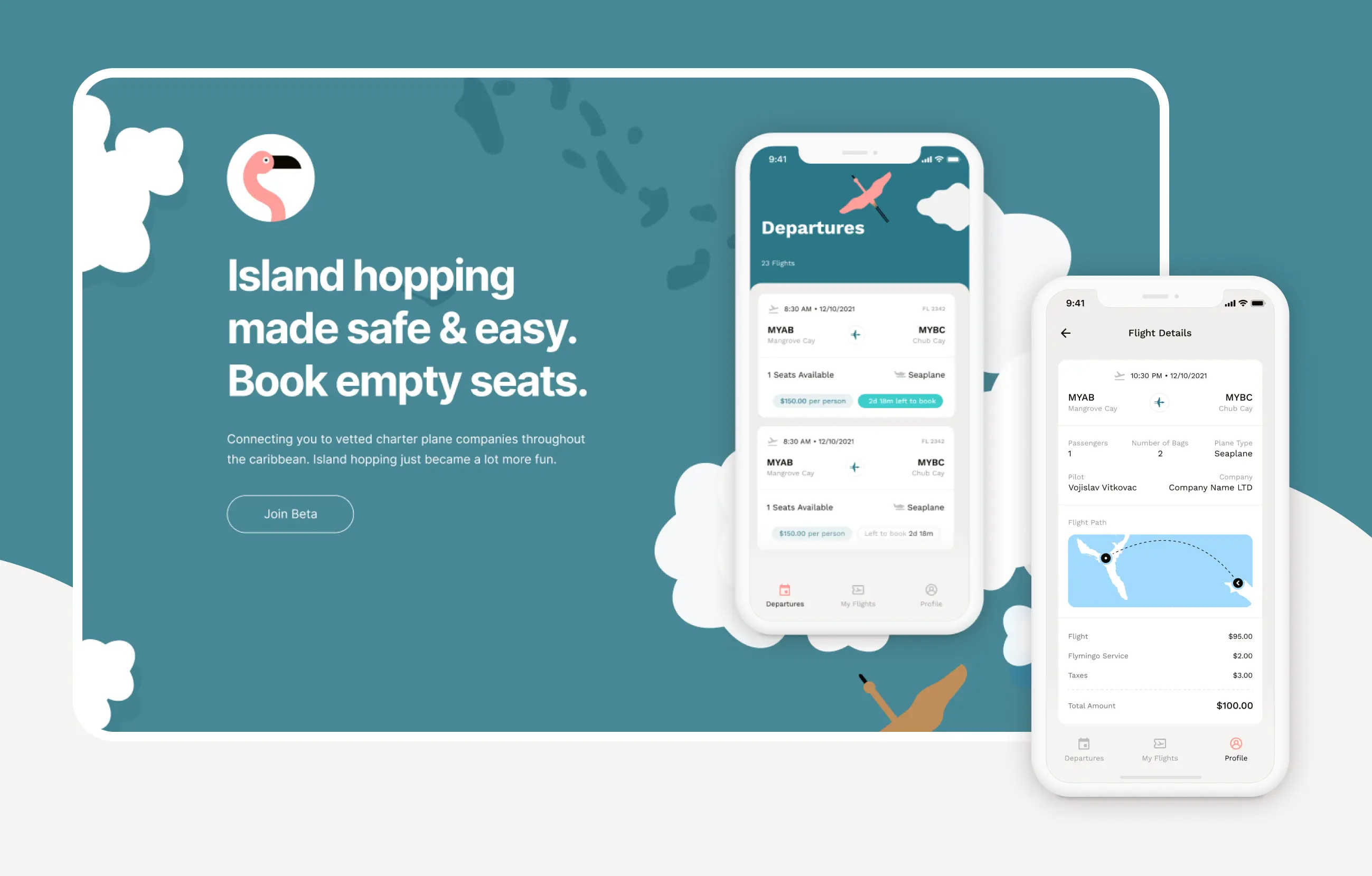
Custom Flight Booking App Development
An Uber-like app that connects charter flight pilots with travelers, making it easier to book and share the cost of flights to the Bahamas.
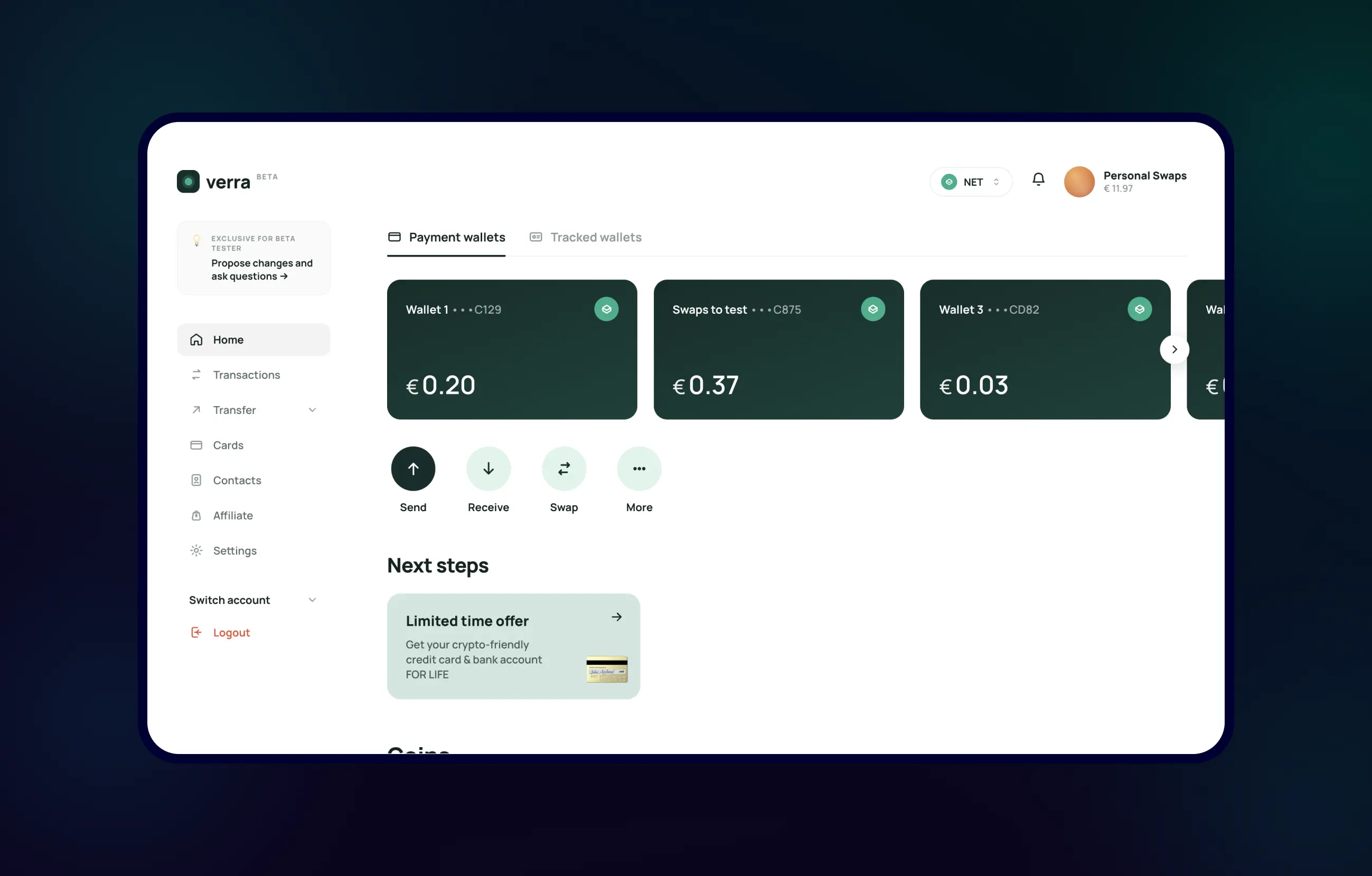
Asset Management Platform Development
A digital asset platform for managing funds and spending crypto through virtual and physical cards across personal and corporate accounts.
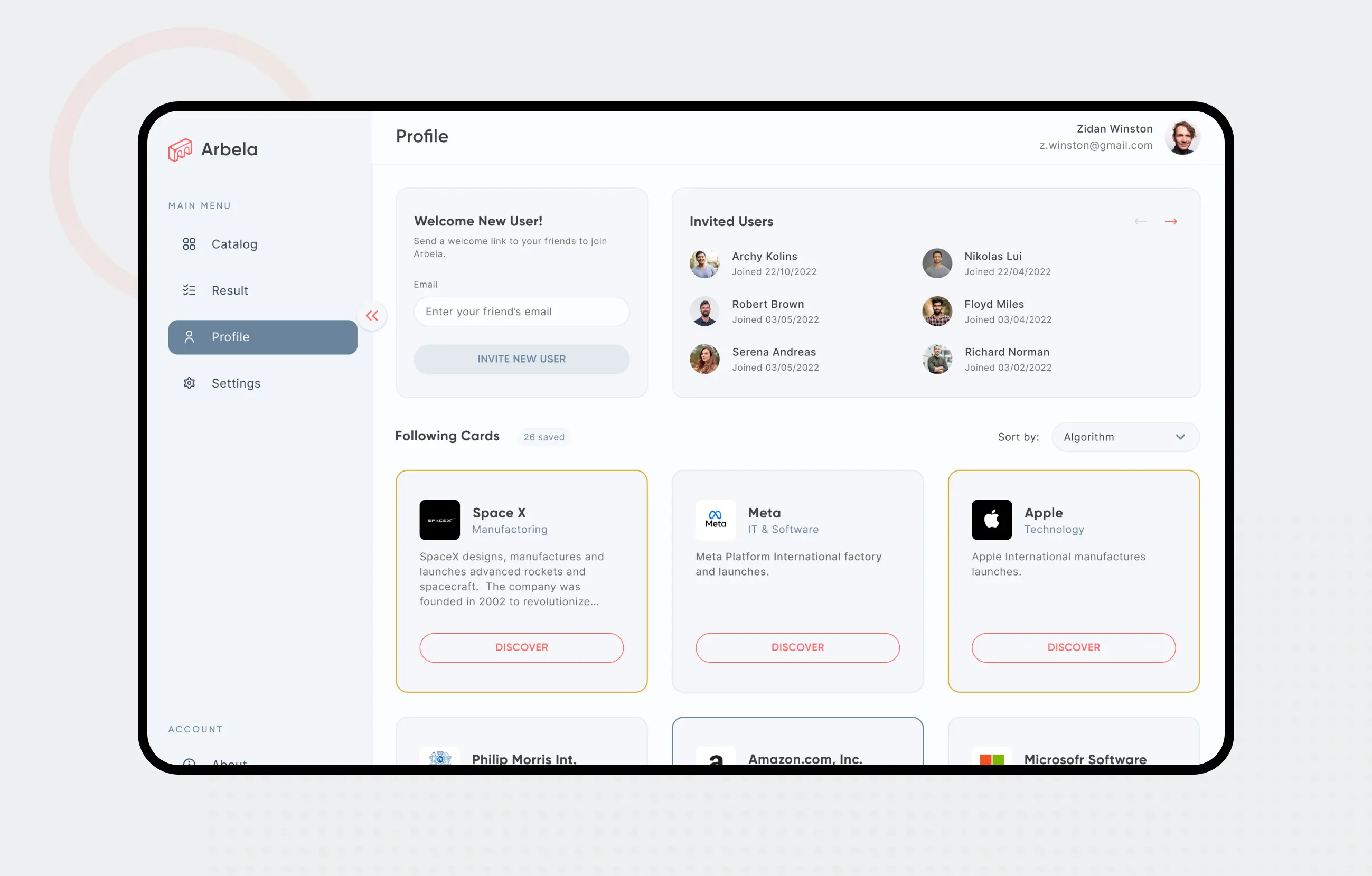
Web3 Investment Platform Development
A collaborative Web3 investment platform where users can discover startups, discuss opportunities, and vote on investment ideas.

Custom E-Commerce Platform Development
An SEO-focused online furniture store for sofas, beds, and sleeping accessories with flexible filtering, product customization, and a mobile-friendly shopping experience.
What We Build with Express.js
SaaS Platforms
Backend services for subscriptions, user accounts, permissions, dashboards, notifications, integrations, and multi-tenant product logic.
FinTech Applications
APIs and backend services for financial dashboards, transaction workflows, third-party financial integrations, user authentication, data processing, and administrative systems.
Marketplaces
Backend architecture that connects customers and providers, manages listings, search, orders, payments, messaging, notifications, reviews, and links to external services.
Web and Mobile Application Backends
Express.js APIs can serve React, Next.js, React Native, and other client apps through a single backend layer. This keeps business logic and data access separate from the user interface.
API and Integration Platforms
Products centered around API access, external integrations, webhooks, data synchronization, or communication between several independent services.
Talk to an Express.js Expert
Discuss your backend, migration, or support needs with our team.
Why Use Express.js for Backend Development?
1
Lightweight Architecture
Express.js keeps the framework layer small. Developers can add only the libraries and patterns their app needs, instead of dealing with lots of built-in features they might not use.
2
Flexible API Development
Routing and middleware make Express.js well suited to REST APIs and other HTTP services. APIs can start small and progressively expand as business logic, integrations, and user roles become more complex.
3
Works Across the Node.js Ecosystem
You can use Express.js with TypeScript, PostgreSQL, MongoDB, Redis, authentication tools, testing libraries, queues, cloud services, and many other packages from the Node.js ecosystem.
4
Suitable for Modular Systems
Routes, services, data access, integrations, and other backend components can be separated into clear modules. Express.js can also be used for individual services within a larger distributed architecture.
5
Real-Time Functionality
WebSocket libraries can run alongside an Express.js API when the application needs messaging, notifications, dashboards, tracking, or other live updates.
6
Freedom to Choose the Right Architecture
Express.js does not force you to use a specific app structure. This flexibility helps when building custom products or working together with existing systems, but bigger projects still need well-defined guidelines to stay organized.
Stages of work
Express.js Software Outsourcing and Team Options
Full-Cycle Express.js Development
A dedicated team handles backend architecture, development, testing, deployment, and support. This model works well for new products and larger development scopes.
Dedicated Express.js Developers
Add an Express.js or full-stack developer to your existing team. The engineer works within your current architecture, tools, and delivery process.
Team Extension
Expand your engineering team for a migration, integration, or product roadmap. Adjust the number of specialists as your development needs change.
Ongoing Express.js Support
Keep access to engineers after launch for maintenance, updates, and performance improvements. The team can also handle new integrations and further product development.
Team
Tech Stack We Use
Front-end
Back-end
Mobile
Deployment
CMS
QA
Integrations

-1747731627136.webp)
-1749023935755.webp)


-1747731983305.webp)

-1747732042514.webp)

-1747732097673.webp)

-1747732122263.webp)

-1747732160762.webp)

-1747732191631.webp)
Need an Express.js Team for Your Product?
Share your project scope to receive a recommended team setup and initial estimate.
Name
Why Choose Our Express.js Development Company
-1747908000371.png)
1
Node.js and Backend Expertise
Express.js expertise backed by Node.js, TypeScript, databases, APIs, cloud infrastructure, authentication, and real-time development.
2
Skilled and Experienced Team
Mid-level and senior engineers with hands-on experience across more than 100 delivered projects.
3
Flexible Cooperation Models
Choose a complete team, individual specialists, or ongoing Express.js support based on your current needs.
4
Existing Product Support
We improve existing Express.js and Node.js backends through fixes, new features, refactoring, and modernization.
5
Efficient Development with AI-Assisted Workflows
AI-assisted tools help speed up routine work while developers remain responsible for architecture and quality.
6
Security and Code Quality
Authentication, validation, access control, testing, dependency management, and code reviews are built into development.
FAQs
1. What do Express.js development services include?
What do Express.js development services include?
Express.js development services can cover much more than creating basic API routes. A typical project may include backend architecture, REST or GraphQL API development, database integration, authentication and permissions, third-party services, WebSockets, background operations, cloud deployment, testing, and monitoring.
For existing products, the work can also include code audits, performance optimization, migration, dependency upgrades, security improvements, and ongoing maintenance.
2. Why choose an Express.js development company for APIs and backend work?
Why choose an Express.js development company for APIs and backend work?
Working with a team experienced in Express.js helps with decisions that go beyond setting up routes and middleware. A production backend also needs a maintainable architecture, database design, authentication, validation, error handling, integrations, testing, monitoring, and deployment.
An experienced Express.js development company can handle these parts as one system and choose an architecture that fits the product instead of introducing unnecessary complexity.
3. What Solutions Can Be Built with Express.js?
What Solutions Can Be Built with Express.js?
You can use Express.js to build RESTful APIs, real-time applications, microservices, e-commerce platforms, and backend systems for web and mobile applications.
4. How much does Express.js development cost?
How much does Express.js development cost?
The cost of Express.js development depends on the project’s size, complexity, and the team you choose. Building a simple REST API or backend module usually starts at $8,000 to $15,000. If you need an MVP backend with features like authentication, database integration, and third-party services, the price often falls between $15,000 and $30,000. For more complex projects, for example SaaS platforms, marketplaces, or fintech backends, costs can range from $30,000 to $70,000 or more.
If you need ongoing development or want to add developers to your team, Express.js specialists usually charge by the hour. Their rates depend on their experience and the needs of your project. The total cost will also be influenced because of factors like how many endpoints you need, the number of integrations, how complex your database is, security needs, your existing codebase, and the deployment setup.
5. How long does it take to develop an Express.js application?
How long does it take to develop an Express.js application?
A focused backend or API can often be delivered within several weeks, while a larger product backend may require several months of development.
How long it takes depends on things like how many features you need, the number of endpoints, user roles, integrations, how complex your data is, and your testing needs. It also matters if we are beginning from scratch or updating an existing system. We give a timeline estimate after we review your project details.
6. Can you migrate an existing backend to Express.js?
Can you migrate an existing backend to Express.js?
Yes. Migration can involve moving functionality from another backend technology, restructuring an older Node.js application, or modernizing an existing Express.js codebase.
If your product is already live, we do not need to migrate everything at once. We can move features step by step, test them with your current app, and release updates gradually. This way, your product stays up and running while we make the changes.
7. Can you upgrade an existing Express.js application?
Can you upgrade an existing Express.js application?
Yes. Older Express.js projects often need more than a simple dependency update. Changes may affect middleware, routing, error handling, third-party packages, tests, and other parts of the backend.
We review the current application first, identify dependencies and breaking changes, then plan the upgrade around the codebase and production requirements. Architecture and outdated patterns can also be improved as part of the work instead of only changing the framework version.
8. How do you ensure performance, scalability, and reliability with Express.js?
How do you ensure performance, scalability, and reliability with Express.js?
We look at the backend as a whole rather than treating Express.js as the only factor affecting performance. Depending on the application, this can cover optimizing database queries, introducing caching, improving middleware and API logic, moving long-running work to background jobs, configuring load balancing, and scaling application instances independently.
Logging, monitoring, automated tests, and error tracking are also important for detecting problems before they affect users. For an existing application, we normally profile the system first so that optimization work focuses on actual bottlenecks.
9. Is Express.js suitable for large or high-traffic applications?
Is Express.js suitable for large or high-traffic applications?
It can be. Application scalability depends on much more than the framework. Database design, caching, background jobs, infrastructure, external services, application architecture, and the type of workload often have a larger impact.
Express.js applications can be deployed across multiple instances and combined with load balancing, caching, queues, and other infrastructure when traffic grows. Prior to scaling an existing application, we usually profile the system first to understand where the actual bottlenecks are.
10. Can Express.js be used with TypeScript?
Can Express.js be used with TypeScript?
Yes. Express.js can be used with TypeScript to add static typing to request handlers, services, data models, integrations, and other backend code.
TypeScript is particularly useful as an Express.js application grows because it makes interfaces between modules clearer and catches many errors during development. For larger systems, we normally evaluate TypeScript together alongside the broader architecture rather than treating it as a separate feature.
11. Express.js vs NestJS: which one should I choose?
Express.js vs NestJS: which one should I choose?
Express.js is a good choice if your team wants a lightweight framework and more control over the app’s structure. It works well for APIs, custom backends, smaller services, and projects where you only add the components you need.
NestJS adds more conventions and built-in patterns, which can help large backend teams and complex apps that need a standard structure. The best choice relies on your product, team, tech stack, and how complex your needs are. There isn’t one framework that’s always better.
12. Do you build real-time features like chat and live dashboards with Express.js?
Do you build real-time features like chat and live dashboards with Express.js?
Yes. Express.js can be combined with WebSocket libraries to support persistent connections and instant updates.
Typical use cases include chat, notifications, live dashboards, tracking, collaborative functionality, and status updates. REST APIs can continue handling regular application requests while WebSockets manage live communication, allowing both approaches to work within the same backend.
13. Which databases work with Express.js?
Which databases work with Express.js?
Express.js does not require a specific database. It can work with relational databases such as PostgreSQL and MySQL, document databases such as MongoDB, and supporting technologies such as Redis.
The best database depends on your data model and product needs. We also look at query trends, transactions, scalability, your present setup, and reporting needs before making a recommendation.
14. Do you provide Express.js maintenance and support after launch?
Do you provide Express.js maintenance and support after launch?
Yes. Ongoing support can include bug fixes, dependency and security updates, monitoring, performance improvements, database optimization, new API endpoints, integrations, and further backend development.
Support can be provided as a continuing engagement or as additional development capacity for an internal product team.
15. Can you audit and optimize an existing Express.js codebase?
Can you audit and optimize an existing Express.js codebase?
Yes. An Express.js code audit can cover project structure, API design, middleware, authentication, database access, dependencies, error handling, logging, automated tests, performance, security, and deployment.
We do not recommend rewriting an application by default. The goal is to identify the issues that actually affect maintainability, reliability, security, or future development and turn them into a prioritized technical roadmap.
16. What engagement models do you offer for outsourcing Express.js development?
What engagement models do you offer for outsourcing Express.js development?
We provide Express.js software outsourcing services through several engagement models. You can work with a full development team, add individual backend developers to your existing team, or use ongoing engineering support for an established product.
17. Do I own the Express.js source code after development?
Do I own the Express.js source code after development?
Yes. The source code and project deliverables produced for your application are transferred to you according to the development agreement. We can also provide technical documentation and support the handover if your internal developers or another team will maintain the product after the engagement.
We would love to help.
What are you interested in:
Name
Tell us about your project and goals
0/1000
Add your file
