View all
Web DevelopmentMobile Development UX/UI DesignStaff Augmentation CTO as a ServiceDedicated TeamLow-Code DevelopmentDevOps DevelopmentDevOps Development Services
We build and optimise cloud infrastructure for web and mobile apps. That includes CI/CD pipelines, deployment automation, cloud hosting, monitoring and the ongoing support of the infrastructure.
Stubbs provide DevOps development for FinTech, Web3, SaaS and custom software.
Our DevOps Development Services
DevOps Consulting
Review your infrastructure, your deployment process and your dev workflow to find any technical issues and make the appropriate recommendations.
CI/CD Pipeline Implementation
Set up automated builds, tests and deployments. We're also updating our existing pipelines to reduce the amount of manual work and to make software releases easier.
Cloud Infrastructure Management
Configuring and managing cloud environments on AWS, Azure, GCP and DigitalOcean (servers, storage, networking, app hosting etc)
Infrastructure Automation
Automating server configuration, environment setup and all the other repetitive infrastructure tasks to reduce the amount of manual work and the potential for configuration errors.
Containerization & Deployment
Using Docker to package the apps, to configure the deployment environments and to make releases more consistent across dev and production.
Monitoring & Performance Optimization
Setting up logs, alerts, and the infrastructure monitoring. Look at resource usage, look at slow app responses and look at any issues that are impacting the production systems.
Cloud Migration
Moving apps, databases and services to new cloud environments (including the associated planning, configuration, testing and deployment).
DevSecOps Services
Managing infrastructure permissions, credentials, security configurations and the various automated checks that run as part of the dev/deploy process.
DevOps Support & Maintenance
Maintaining the cloud, dealing with deployment failures, updating configurations and supporting the infrastructure as the application requirements change.
Our Projects

Crypto Portfolio Tracking App Development
A cryptocurrency trading platform that allows users in Iceland to securely trade and manage digital assets.
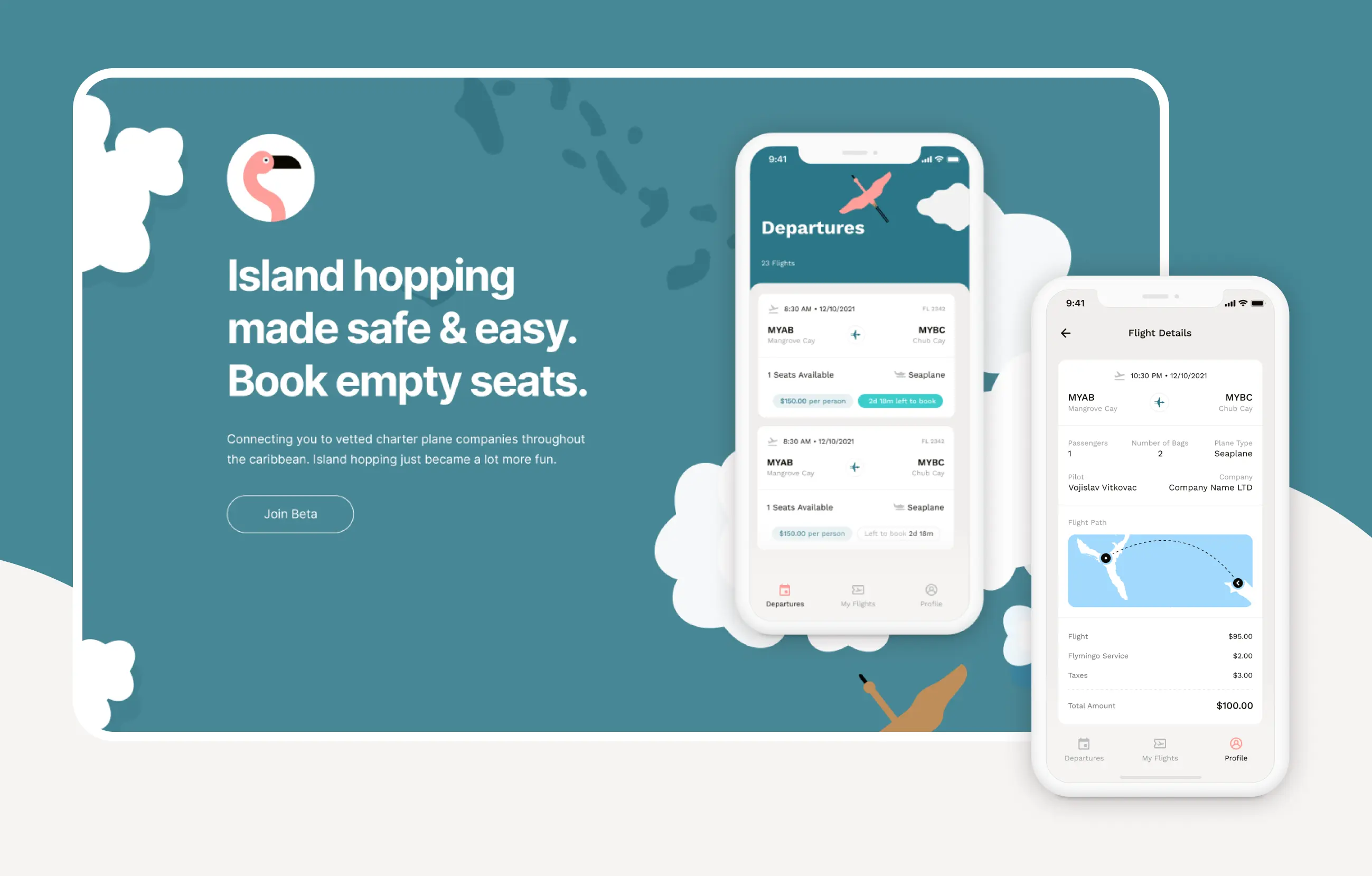
Custom Flight Booking App Development
An Uber-like app that connects charter flight pilots with travelers, making it easier to book and share the cost of flights to the Bahamas.
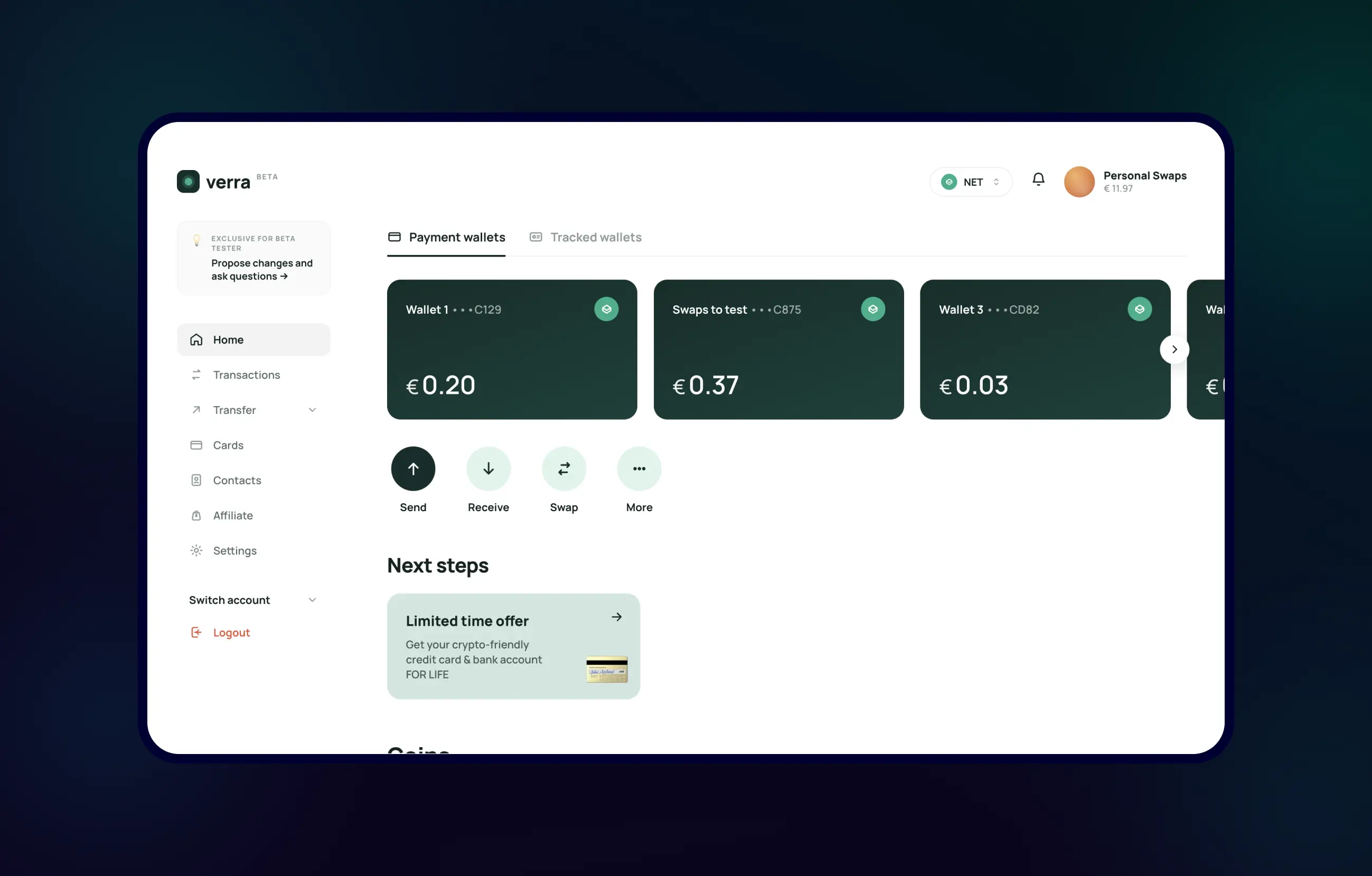
Asset Management Platform Development
A digital asset platform for managing funds and spending crypto through virtual and physical cards across personal and corporate accounts.

Custom E-Commerce Platform Development
An SEO-focused online furniture store for sofas, beds, and sleeping accessories with flexible filtering, product customization, and a mobile-friendly shopping experience.
DevOps Solutions for Different Industries
FinTech & Web3
Cloud infrastructure for financial apps, crypto exchanges and digital asset platforms. We work with the deployment environments, the access permissions, the monitoring and the services that are in turn connected to financial APIs.
SaaS Platforms
Infrastructure for subscription type products, multi-tenant apps and business platforms (deployment pipelines, databases, background services, environment config etc)
E-commerce & Marketplaces
Hosting, caching, CDN configuration and the associated deployment workflows for online stores and marketplaces. We've done the infrastructure work on apps with very large product catalogues.
Web & Mobile Applications
Cloud hosting, CI/CD configuration, backend deployments and monitoring for apps built with React, Next.js, Node.js and React Native.
AI-Powered Applications
Infrastructure to support applications using LLM APIs, AI agents and automated workflows (backend deployment, background processing, storage, resource monitoring etc.)
Need Help with DevOps Development?
Planning a cloud migration, setting up CI/CD, or dealing with infrastructure problems in an existing application? Tell us about your current setup and what needs to change. Our engineers can review the requirements and discuss the scope, timeline, and estimated cost.
DevOps Technologies and Tools
We work with cloud platforms, deployment tools and the various infrastructure technologies that are used across our software projects. The actual setup will of course be dependent on the application and the tools that your team are already using.
How We Work on DevOps Projects
Why Choose Stubbs for DevOps Development?

1
Experience with Live Applications
We've done financial platforms, e-commerce products, SaaS apps and crypto exchanges. Our experience spans deployments, caching, cloud infrastructure and performance work on applications that are already in production with customers.
2
Application Development Expertise
DevOps work is very much about understanding the app. Our engineers work with React, Next.js, Node.js, TypeScript and React Native so they can look at issues that are app code and infrastructure issues.
3
100+ Projects Delivered
Stubbs have been building software since 2019. We have a team of 20+ engineers working on a range of web, mobile, backend and cloud projects.
4
Improvements to Existing Infrastructure
You don't need to rebuild your infrastructure to work with us. We can take on the tasks, look at what you've got and then improve the bits that are causing the problems.
5
Flexible Cooperation Models
Need help with a cloud migration, CI/CD setup, or ongoing infrastructure work? We offer project-based development, dedicated teams, and staff augmentation.
Frequently Asked Questions
1. What are DevOps development services?
DevOps development services cover the tools, the infrastructure and the processes involved in building, testing, deploying and maintaining software.
For instance, the developers may have finished off a new feature, but someone still has to get it ready for release, run the appropriate checks, deploy the app and then go through the process of ensuring it all works afterwards.
DevOps engineers will of course automate as much of that as they can. Their role also encompasses configuring cloud servers, managing dev and prod environments, setting up monitoring and then of course investigating infrastructure issues.
The exact scope of responsibility varies - some projects only require a deployment pipeline, others require ongoing cloud management and infrastructure work.
2. What is included in DevOps consulting services?
DevOps consulting begins with an understanding of how your application is currently hosted and how it's currently maintained.
We look at the cloud infrastructure, the deployment process, the CI/CD config, the monitoring and any issues your team routinely run into.
For example deployments could be taking far too long due to the sheer number of manual steps involved. The app itself could be running on quite expensive cloud resources for no obvious reason.
After reviewing the setup, we identify possible improvements and discuss what should be implemented first.
Consulting can also involve the planning of the infrastructure for a new application, the selection of cloud services or the preparation of an existing product for migration. At Stubbs our engineers can do both the review and the implementation.
3. How much do DevOps development services cost?
The cost will be dependent on the current infrastructure, the number of applications and the amount of work involved.
Setting up an automated deployment pipeline for a single Node.js app is generally a much smaller job than the migration of an existing platform to a different cloud provider.
The estimate will likely cover cloud configuration, CI/CD, containerisation, monitoring, infrastructure as code, migration and testing.
For an existing application the state of the infrastructure does matter. A project that has documented configurations and working deployment scripts is far easier to assess than one where the majority of the changes are done manually.
At Stubbs DevOps projects are individually estimated once the requirements have been reviewed. The cost of cloud hosting and other third party services is worked out separately from the engineering work.
4. How much does it cost to hire a DevOps engineer?
DevOps engineer ratings are based on experience, knowledge of the cloud platform and the scope of the role. Stubbs' general engineering rates are 30-35/hr for mid-level developers and 35-45/hr for senior engineers. Tech Lead and Solution Architect rates are generally in the 40-55/hr range. DevOps rates are obviously going to be different depending on the specific skills required and the scope of work.
5. What are the most popular DevOps tools?
DevOps engineers use a variety of tools for version control, automated testing, deployments, infrastructure as code and monitoring.
Some commonly used options include:
- GitHub Actions, GitLab CI, Jenkins, and CircleCI: Automating builds, testing, and software deployments.
- Docker: Packaging applications and their dependencies into containers.
- Kubernetes: Managing containerized applications across multiple servers.
- Terraform and Ansible: Automating infrastructure configuration and provisioning.
- Prometheus and Grafana: Collecting metrics and monitoring system behavior.
- AWS, Azure, and Google Cloud: Hosting applications, databases, storage, and other infrastructure resources.
You don't need all these tools for one application. A small SaaS product could quite happily run on Docker, a cloud server and a CI/CD pipeline. Larger systems may require more sophisticated infrastructure management.
At Stubbs our main cloud experience is AWS, Azure, GCP and DigitalOcean, plus Docker and Git based dev workflows.
6. What is the difference between DevOps and cloud engineering?
Cloud engineering is principally about the infrastructure that the application runs on i.e. the servers, the network, the databases, the storage and the cloud service configuration.
DevOps also covers the journey of software from a developer's machine to production. That's the CI/CD pipelines, the automated testing, the deployment workflows, the monitoring and the release management.
The responsibilities often overlap. For instance, configuring a server on AWS is cloud engineering. Setting up an automated process that will build and deploy an application to that server is DevOps. For the smaller apps the same engineer will often do both. In the larger organisations you'll sometimes see a separation of cloud infrastructure and DevOps teams.
7. How long does DevOps implementation take?
A basic CI/CD pipeline for a single app could take anywhere from a few days to a few weeks. More complex projects can take considerably longer, especially if you've got multiple services, multiple environments and/or multiple cloud providers involved.
A cloud migration typically requires a lot more preparation. You need to go through the existing infrastructure, understand the service dependencies and plan how the app is going to behave during the migration.
Testing is also important. A deployment process that works in a development environment may behave differently in production. We normally start with an infrastructure review and then go on to work out the implementation effort. That gives you a far more useful timescale than simply allocating the same amount of time to every DevOps project.
8. What is CI/CD, and why is it important?
CI/CD is Continuous Integration and Continuous Delivery (or Deployment). Continuous Integration means you're regularly integrating code changes into a shared repository, with automated checks in place to catch any problems as early as possible.
Continuous Delivery is about preparing the changes that have been tested for release. Continuous Deployment takes it one step further by automatically releasing the changes that have passed the required checks.
Without CI/CD the dev would have to build the app, run the tests, upload the files and then restart the service manually. That takes time and leaves plenty of scope for error.
A well configured pipeline leads to more consistent releases and gives the team a repeatable way of doing a release.
9. Can you set up CI/CD for an existing project?
Yes we can do CI/CD for applications that are already in development or already in production. Firstly we go through the repo, the app structure, the environments and the current release process. Then we set up the requisite build, test and deploy steps. For instance a Next.js app might need automated builds and deployment to its hosting environment, and a Node.js backend may also require database migrations and service restarts. We can also improve the existing pipelines that are slow, unreliable or difficult to maintain. A complete replacement isn't always necessary.
10. Can DevOps reduce cloud infrastructure costs?
Yes, though the actual savings will of course depend on your current infrastructure configuration. Cloud spend can go up when you've got servers that are oversized, when you've got unused resources that are still running, or when your apps are making poor use of your databases and storage.
An infrastructure review can pick up on these issues. For instance caching of frequently requested data will reduce the load on the database. Moving the static assets to object storage and a CDN will also reduce the amount of work that the app server has to do.
We've used both approaches on production projects (including Mebelmarket). Cost optimisation must take into account application performance and availability. The cheapest configuration isn't necessarily the one you should go for, especially in the case of financial apps or those with very variable traffic.
11. Do startups need DevOps services?
A startup doesn't necessarily need a full time DevOps engineer to start with. For an early MVP a fairly simple cloud setup and an automated deployment pipeline may be all that you need. It's quite possible that introducing a whole lot of complex infrastructure at this stage will just create maintenance overhead with very little return.
12. Can you improve our infrastructure without migrating to another cloud provider?
Yes, a migration isn't necessarily the best way to solve infrastructure problems. We can go through your current cloud setup, your server config, your deployment process, your resource usage and your monitoring. Sometimes a fairly small change can make a difference. An inefficient database query could be the cause of the slow response times. A missing cache could be the source of the extra load. Or the current deployment process could just do with a bit more automation.
13. What is DevSecOps?
DevSecOps is about bringing security into the development and deployment lifecycle rather than treating it as a separate thing you do at the end.
This could involve checking dependencies for known vulnerabilities, managing access to the deployment environments, protecting credentials and introducing automated security checks.
14. Do you provide DevOps maintenance and support?
Yes. Our engineers can carry on with the maintenance of the infrastructure after the initial implementation. This could involve updating the CI/CD pipelines, fixing deployment failures, log review, cloud config changes and supporting new app releases.
Maintenance can also involve updating dependencies, reviewing resource usage and adapting the infrastructure as new functionality is added. For any application that requires continuous monitoring or 24/7 incident response the requirements for that should be discussed separately so that the appropriate level of coverage can be put in place.
15. Can your DevOps engineers work with our existing development team?
Yes we can join your existing development workflow and work directly with your developers, your QA engineers and your technical leads.
Our engineers can use your repos, your project management tools and your comms. There's no need to move dev to Stubbs or in any way change your existing way of working. If your team are already doing the application dev but you need help with the cloud infrastructure, the deployments and the monitoring then we can focus on that.
We can also provide DevOps support as part of a wider web or mobile development project.
We would love to help.
What are you interested in:
Name
Tell us about your project and goals
0/1000
Add your file
