View all
Web DevelopmentMobile Development UX/UI DesignStaff Augmentation CTO as a ServiceDedicated TeamLow-Code DevelopmentOutsource Node.js Development
Hand over your backend project and receive production-ready APIs, microservices, and real-time systems with testing, documentation, and deployment included.
Our Projects

Crypto Portfolio Tracking App Development
A cryptocurrency trading platform that allows users in Iceland to securely trade and manage digital assets.

Dex Platform Development
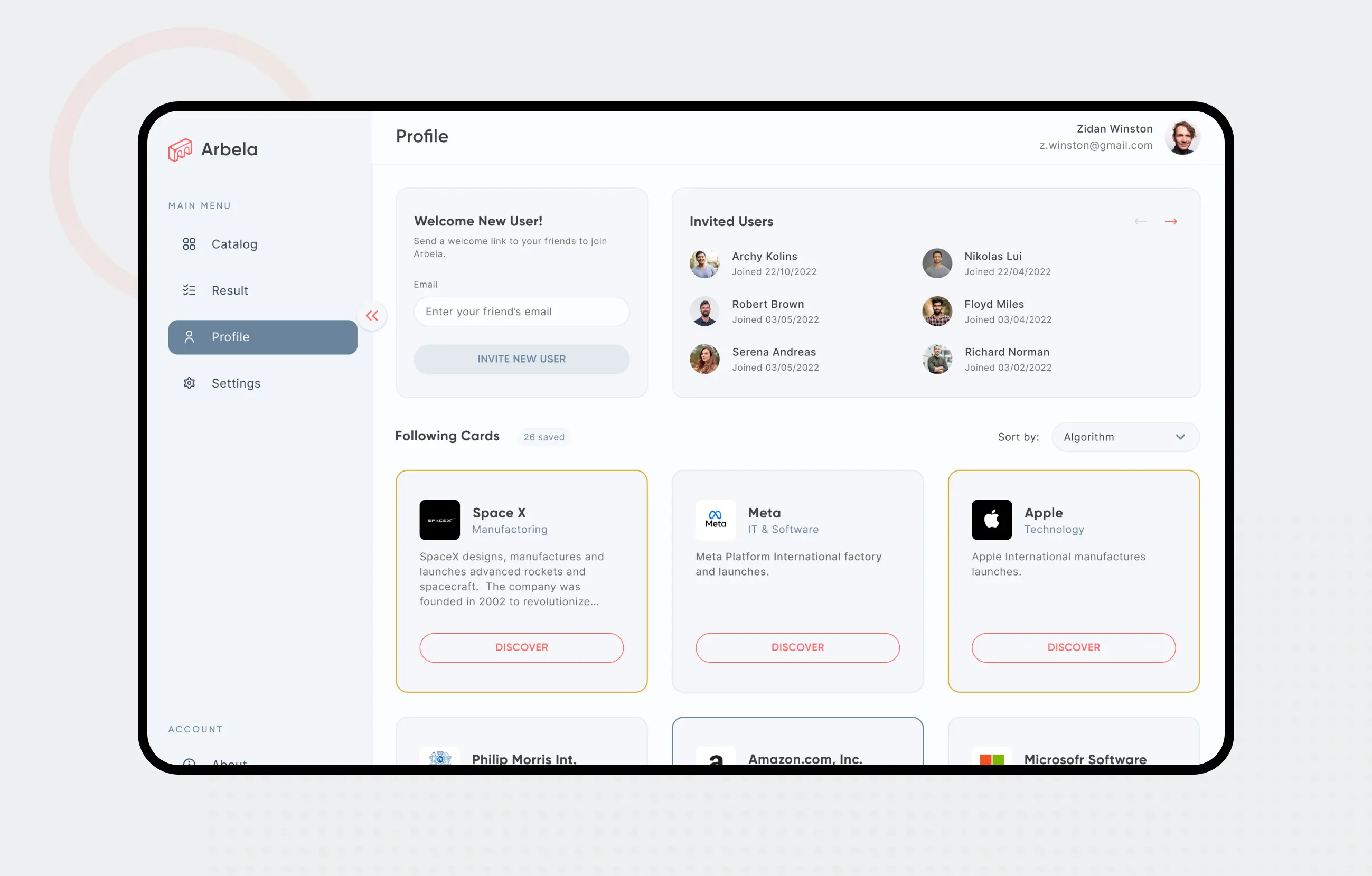
Web3 Investment Platform Development
A collaborative Web3 investment platform where users can discover startups, discuss opportunities, and vote on investment ideas.
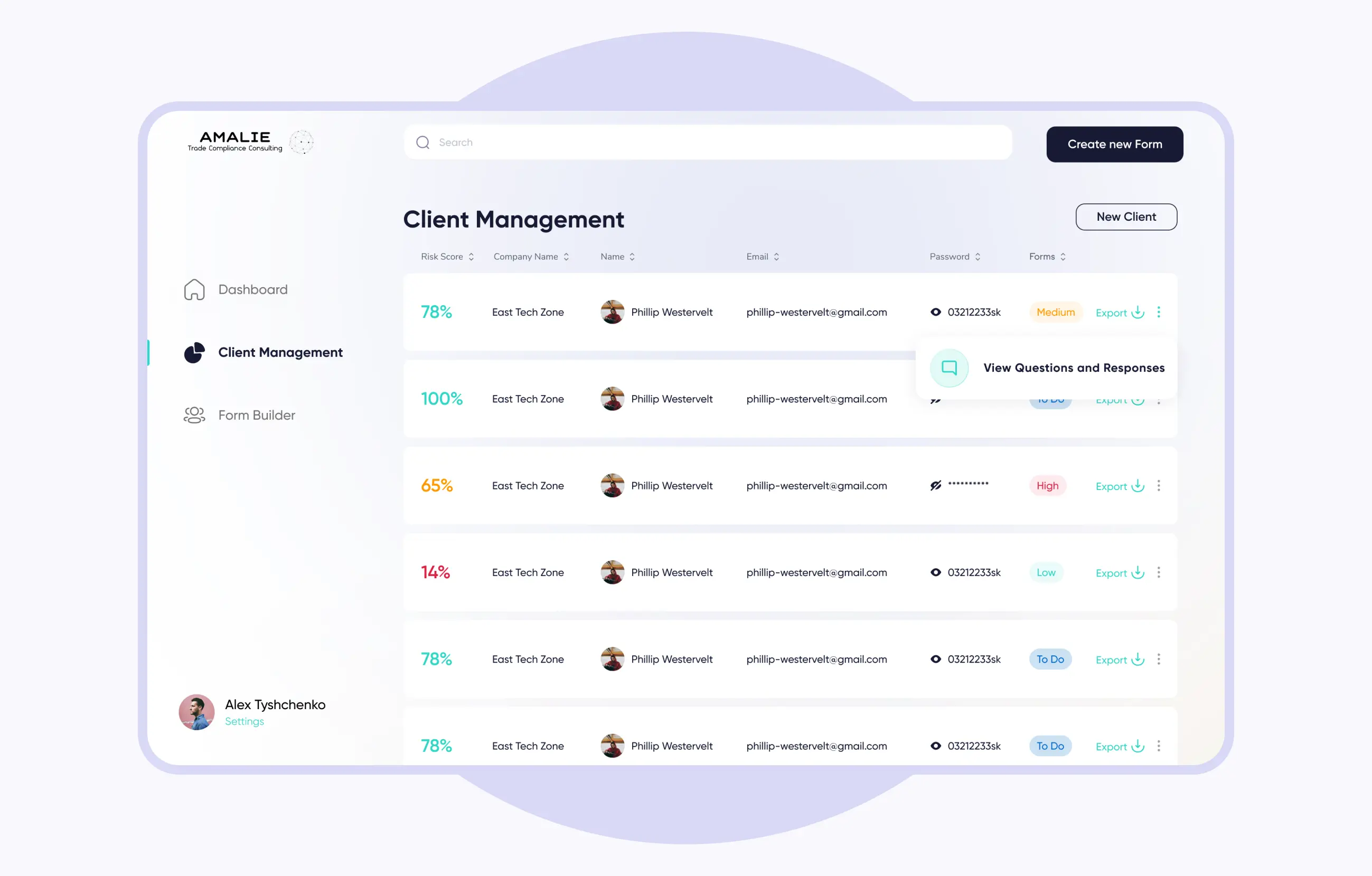
Risk Assessment Software Development
A custom web form builder that automates client data collection and risk calculation for a US-based consulting company.
What You Can Outsource on Node.js
1
REST / GraphQL API
Custom APIs with authentication, user management, filtering, reporting, and integrations for web and mobile applications.
2
Microservices Backend
Scalable backend systems with multiple services, message queues, API gateways, and distributed business logic.
3
Real-time System
Backend infrastructure for chat applications, notifications, live dashboards, tracking systems, and collaboration tools.
4
Backend for Mobile & Web Apps
Complete backend solutions for web and mobile products, including authentication, payments, notifications, file management, and administration tools.
5
Migration to Node.js
Migration of existing applications from legacy technologies to modern Node.js architecture with minimal disruption and long-term scalability in mind.
6
Full-stack Development
Backend and frontend delivered by one team using Node.js, React, and TypeScript for faster delivery and a more consistent development process.
Need a Node.js Backend Estimate?
Share your project requirements and receive a tailored estimate, delivery timeline, and recommended development approach.
Node.js Outsourcing Services
Custom API Development
Custom REST, GraphQL, and API-first solutions that include secure authentication, business logic, integrations, and clear documentation for developers.
Microservices Architecture
Scalable backend systems built around multiple services, queues, API gateways, and distributed workflows to support complex applications.
Database Design & Optimization
Database architecture, schema design, migrations, indexing, caching, and performance tuning to help your product grow smoothly.
Third-party Integration
Integration with payment providers, communication tools, cloud services, CRM and ERP platforms, and other external APIs.
Real-time Backend
Backend infrastructure for chat, notifications, live dashboards, collaboration tools, tracking systems, and real-time updates.
Backend Testing & CI/CD
Automated testing, deployment pipelines, and release processes to make your backend more reliable and reduce production issues.
Cloud Deployment
Deployment, infrastructure setup, monitoring, and scaling on modern cloud environments and containerized platforms.
Backend Migration
Migration from legacy technologies, upgrade frameworks, modernize architecture, and switch to more scalable backend solutions.
How We Deliver Outsourced Node.js Projects
Phase 1 — Scoping & API Design
We define requirements, map business logic, design API contracts, and plan the database architecture. This phase results in a clear project scope, timeline, technical approach, and delivery estimate.
Phase 2 — Foundation
The backend foundation is set up with project structure, database configuration, authentication, environments, and deployment workflows. By the end of this phase, there is a working backend skeleton ready for development.
Phase 3 — Development
Core functionality, integrations, business logic, and API endpoints are implemented in iterative development cycles. Progress is shared regularly through demos and staging environments.
Phase 4 — Testing & Deployment
We run functional tests, check performance and security, and prepare for deployment before releasing to production.
Phase 5 — Handover & Warranty
We deliver the project with API documentation, deployment instructions, architecture notes, and source code access. After launch, we include a warranty period to help resolve any issues and support stabilization.
Ready to Outsource Your Node.js Project?
Whether you need a custom API, microservices architecture, real-time functionality, or a complete backend platform, we can help define the scope, estimate the effort, and deliver a production-ready solution.
Name
What’s Included
API Design & Documentation — Included
API planning, endpoint structure, documentation, and developer resources to simplify integration and future maintenance.
Development & Testing — Included
Backend development, automated testing, quality assurance, and deployment workflows as part of the standard delivery process.
Database Setup & Migrations — Included
Database architecture, schema creation, migrations, data management, and performance optimization.
Cloud Deployment — Included
We deploy your project to cloud environments, set up staging and production, and handle monitoring and release management.
Documentation & Code Transfer — Included
Complete access to source code, architecture documentation, API references, and deployment instructions.
30-day Warranty — Included
After launch, we provide support for bug fixes, stabilization, and resolving any issues related to the delivered scope.
Outsource vs Hire: Which Model?
Deciding between project outsourcing and team augmentation depends on your goals. If you need a defined backend project with a set scope, timeline, and budget, outsourcing is usually the best choice.This way, you get a finished solution without having to handle daily development tasks.
If you are working on a long-term product and need steady engineering support, hiring a dedicated Node.js team might suit you better. This approach lets you set priorities and guide development, but you will need to manage and plan internally.
Why Choose Stubbs for Node.js Development Outsourcing
-1747752009059-1781516742353.png)
1
Node.js Is Our Core Backend Stack
We regularly build backend systems with Node.js, TypeScript, NestJS, PostgreSQL, Redis, and cloud infrastructure. This helps us move faster and make architecture decisions based on real project experience.
2
Production-ready Backend Solutions
You receive a fully functional backend with business logic, integrations, testing, deployment, and documentation, ready to support real users and future growth.
3
Backend + Frontend in One Team
If your project also needs a web or mobile interface, the same team can cover React, Next.js, or React Native development together with the Node.js backend.
4
Clear Scope and Fixed-price Delivery
For defined backend projects, we can work with a clear scope, timeline, and fixed-price estimate before development starts.
FAQs
1. How much does it cost to outsource Node.js development?
How much does it cost to outsource Node.js development?
The price for outsourcing Node.js development varies based on how complex your backend is, how many integrations you need, and your project’s overall scope. Building a simple API usually takes less work than creating a microservices platform, a real-time app, or a full-stack product. Features like authentication, payment processing, third-party integrations, cloud setup, and scalability also affect the cost. We usually begin with a discovery and planning phase to define your needs and give you a detailed estimate.
2. How long does it take?
How long does it take?
How long your project takes depends on its complexity and your business needs. A simple backend API might be ready in a few weeks, while bigger platforms or full-stack apps can take several months. Our process covers planning the architecture, building, testing, deployment, documentation, and support for launch.
3. NestJS or Express?
NestJS or Express?
Both Express and NestJS are built on Node.js, but they fit different types of projects. Express is lightweight and flexible, so it works well for smaller apps and simple APIs. NestJS offers a more organized structure, built-in tools for testing and scaling, and is often chosen for enterprise apps, SaaS platforms, or long-term projects. The best option depends on your project’s needs and future plans.
4. Should I outsource a project or hire a Node.js team?
Should I outsource a project or hire a Node.js team?
Outsourcing is often the best option when you have a defined scope and want a complete backend with predictable costs and timelines. Hiring a dedicated Node.js team is better for ongoing product development where your needs may change over time. The decision comes down to whether you need a finished product or long-term engineering support.
5. Can you also build the frontend?
Can you also build the frontend?
Yes, we can. Along with backend development, we also build frontend apps using React, Next.js, React Native, and TypeScript. Many clients like having one team handle both frontend and backend, which makes communication, project management, and maintenance easier.
6. Is API documentation included?
Is API documentation included?
Yes, we include API documentation with every backend project. Depending on your needs, this can cover OpenAPI specs, Swagger docs, endpoint details, sample requests and responses, authentication guides, and deployment instructions. Good documentation helps your team and outside developers use the API more easily.
7. Can you migrate from PHP or Python to Node.js?
Can you migrate from PHP or Python to Node.js?
Yes, we do this often. We help companies update their backend systems and move apps from older technologies to Node.js. The process usually involves reviewing your current setup, planning the migration, updating databases, redesigning APIs if needed, testing, and deployment. We can often migrate in steps to lower risk and avoid big disruptions for your users.
8. Who owns the code?
Who owns the code?
Clients retain full ownership of the source code, documentation, infrastructure configurations, and project assets delivered during the engagement. Code is typically stored in the client's repositories, providing complete control and flexibility for future development, maintenance, or vendor transitions.
9. Is there a warranty?
Is there a warranty?
Yes, every project comes with a post-launch warranty. During this period, we handle bug fixes, resolve issues, and make sure your backend runs smoothly. This gives you extra peace of mind as you move to production.
10. How do I get started?
How do I get started?
We start with a discovery call to talk about your business goals, technical needs, integrations, scalability, and timeline. After that, we suggest an architecture, outline the project scope, create a delivery plan, and give you an estimate. Once you approve, we move on to planning, development, testing, and deployment.
We would love to help.
What are you interested in:
Name
Tell us about your project and goals
0/1000
Add your file
