View all
Web DevelopmentMobile Development UX/UI DesignStaff Augmentation CTO as a ServiceDedicated TeamLow-Code DevelopmentOutsourced QA Services
Manual, Automated, or Both? Choosing the Right QA Model
Manual QA
Manual testing is often the best choice for new products, UX validation, exploratory testing, and edge cases that are difficult to automate.
Automated QA
Automated testing helps teams validate releases faster, reduce regression risks, and integrate quality checks directly into the development workflow.
Manual + Automated QA
Most products benefit from combining both approaches. Manual testing helps uncover unexpected issues, while automated tests provide consistent coverage for critical functionality.
How We Recommend the Right Approach
The best testing strategy depends on your product stage, release frequency, technical complexity, and budget. Many teams start with manual QA and gradually introduce automation as the product matures.
QA Testing Services You Can Outsource
Manual Functional Testing
Functional testing, exploratory testing, edge cases, and UX validation for web, mobile, and API products.
Automated Testing (E2E)
Automated test suites using Cypress, Playwright, Detox, and Appium with CI/CD integration for faster and more reliable releases.
API Testing
REST and GraphQL API testing with Postman, Supertest, and contract testing to verify functionality, performance, and reliability.
Regression Testing
Automated and manual regression testing to ensure new releases do not break existing functionality.
Performance & Load Testing
Performance analysis, load testing, bottleneck detection, and stress testing before major releases.
Security Testing
Authentication, authorization, input validation, and OWASP-focused security checks as part of the QA process.
Mobile Device Testing
Testing across multiple devices, operating systems, screen sizes, and mobile environments.
Accessibility Testing (WCAG)
Accessibility reviews covering keyboard navigation, screen readers, color contrast, and WCAG compliance requirements.
Need QA for Your Product?
How We Deliver Outsourced QA
1
Phase 1 — QA Audit & Test Strategy
We review the product, codebase, release process, and existing test coverage to identify risks and define the right testing approach. The output is a QA strategy with recommended tools, priorities, and coverage goals.
2
Phase 2 — Test Infrastructure Setup
Testing environments, automation frameworks, test data, and CI/CD integrations are configured to support consistent and repeatable testing workflows.
3
Phase 3 — Test Development & Execution
Our team creates test cases, develops automated tests where appropriate, and performs ongoing testing throughout the development cycle. Bugs and findings are documented and tracked within your existing workflow.
4
Phase 4 — Reporting & Optimization
Regular QA reports provide visibility into test coverage, execution results, critical issues, and overall product quality. Testing processes and automation coverage are continuously refined as the product evolves.
Products We've Tested

Crypto Portfolio Tracking App Development
A cryptocurrency trading platform that allows users in Iceland to securely trade and manage digital assets.

Dex Platform Development
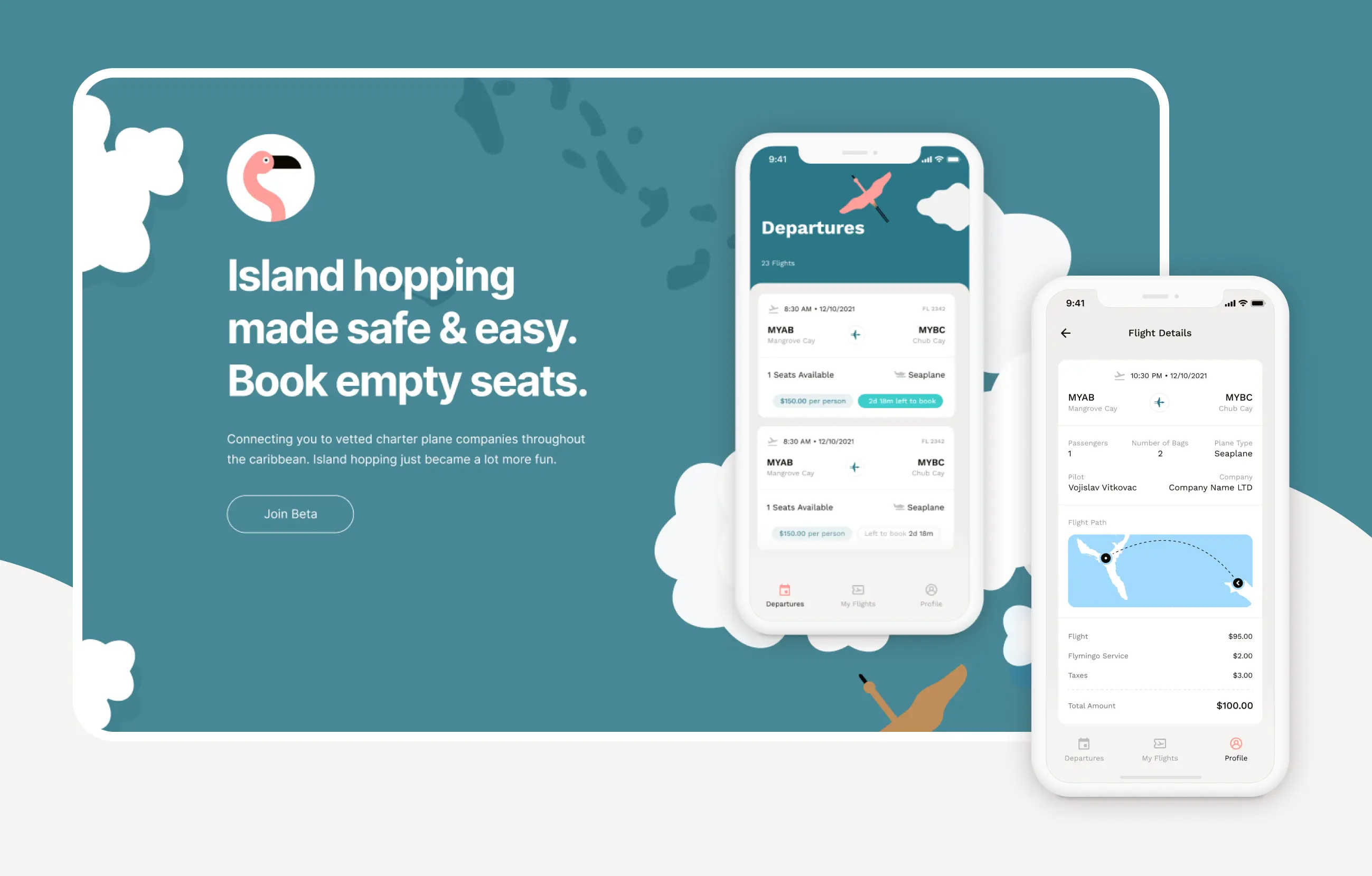
Custom Flight Booking App Development
An Uber-like app that connects charter flight pilots with travelers, making it easier to book and share the cost of flights to the Bahamas.

Custom E-Commerce Platform Development
An SEO-focused online furniture store for sofas, beds, and sleeping accessories with flexible filtering, product customization, and a mobile-friendly shopping experience.
QA Tech Stack
Web E2E
Cypress · Playwright
Mobile E2E
Detox · Appium · XCUITest · Espresso
API Testing
Supertest · Postman/Newman · Pact
Unit & Integration Testing
Jest · React Testing Library · Vitest
Performance Testing
k6 · Artillery · Lighthouse CI
CI/CD Integration
GitHub Actions · GitLab CI · CircleCI
Bug Tracking
Jira · Linear · GitHub Issues
What Makes Stubbs QA Different
-1747752009059-1781261414190.png)
1
QA Engineers Who Read Code
Our QA engineers work closely with React, Node.js, and React Native applications and can create automated tests in TypeScript, not just execute manual test scenarios.
2
CI/CD-first Approach
Testing is integrated into the development workflow, with automated checks running before code reaches production.
3
Same Stack as Your Development Team
Using tools like Cypress, Playwright, Detox, and Jest allows QA and development teams to work within the same JavaScript and TypeScript ecosystem.
4
Works Standalone or with Your Development Team
QA can be delivered as a standalone service for existing engineering teams or integrated into a full development engagement.
FAQs
1. What are outsourced QA services?
What are outsourced QA services?
Outsourced QA services give you access to dedicated testing specialists who check your product’s quality through manual testing, automation, performance testing, and other quality assurance processes. This way, you don’t need to set up your own in-house QA team.
2. How much does outsourced QA cost?
How much does outsourced QA cost?
The cost varies based on how much testing you need, how complex your project is, whether you want automation, and the type of partnership you choose. Some teams only need a one-time QA audit, while others need ongoing testing during development.
3. Manual or automated testing?
Manual or automated testing?
Manual and automated testing each have their own strengths. Manual testing works well for exploring new features and reviewing user experience. Automated testing is great for quickly checking releases and catching repeat issues. Most products do best with a mix of both.
4. What testing tools do you use?
What testing tools do you use?
Our QA stack includes Cypress, Playwright, Detox, Appium, Jest, Postman, Supertest, k6, and other tools selected based on the platform and testing requirements.
5. Can you test mobile apps?
Can you test mobile apps?
Yes, we test iOS and Android apps on different devices, operating systems, screen sizes, and real-world scenarios to make sure users have a consistent experience.
6. Do you integrate with our CI/CD?
Do you integrate with our CI/CD?
Yes, we can add automated tests to GitHub Actions, GitLab CI, CircleCI, and other CI/CD pipelines. This helps keep quality checks running throughout development.
7. Can you test without seeing our source code?
Can you test without seeing our source code?
Yes, we can do functional, exploratory, usability, and many regression tests without seeing your source code. For advanced automation and more thorough testing, we might need access to the code.
8. Do you provide QA reports?
Do you provide QA reports?
Yes, we provide regular reports. These can include which test cases were run, bug summaries, test coverage, release readiness, and suggestions to improve your product’s quality.
9. Can I outsource QA only if I have my own developers?
Can I outsource QA only if I have my own developers?
Absolutely. We can provide QA as a separate service and fit it right into your current development process. You don’t need extra development resources from us.
10. How to get started?
How to get started?
We usually start by reviewing your product, release process, and quality goals. After that, we suggest the best testing approach, tools, and way to work together.
We would love to help.
What are you interested in:
Name
Tell us about your project and goals
0/1000
Add your file
