View all
Web DevelopmentMobile Development UX/UI DesignStaff Augmentation CTO as a ServiceDedicated TeamLow-Code DevelopmentDeFi Smart Contract Development Company
We build DeFi protocols that handle real liquidity — DEX, lending, staking, and yield farming platforms with audited smart contracts and production-ready architecture.
Which DeFi Protocol Fits Your Business Model?
DEX (AMM)
Decentralized exchanges generate revenue from trading fees and liquidity activity. This approach is a good fit for businesses focused on token trading, providing liquidity, or building ecosystems in which users trade and swap tokens often.
Lending / Borrowing
Lending protocols earn through interest spread between borrowers and lenders. They are often used for collateralized loans, flash loans, and systems that help users earn yields.
Staking
Staking platforms reward users through validator incentives or protocol fees. This model is often used for locking up tokens, keeping users engaged, and supporting governance.
Yield Farming
Yield farming systems bring in liquidity by offering rewards and token incentives to liquidity providers. These systems are usually used to help new ecosystems grow and boost protocol liquidity.
Token Launchpad
Launchpads obtain revenue through listing fees and using token allocation methods. This approach is effective for IDO platforms, token launches, and building new ecosystems.
Each DeFi model addresses specific business needs. For example, a DEX aims to boost liquidity and trading, while lending protocols earn money from borrowers. Staking and yield farming help keep users engaged and support ecosystem growth.
The type of protocol you pick affects tokenomics, liquidity, security risks, and your product’s long-term growth. Many DeFi products combine features, like adding staking to a DEX or mixing lending with yield farming.
Not Sure Which Protocol Fits Your Product?
A discovery session can help you review protocol options, revenue models, tokenomics, and technical details before you start building.
DeFi Smart Contract Development Services
DEX & AMM Smart Contracts
We build DeFi exchange development solutions that use AMM logic, liquidity pools, LP token management, swap features, and fee distribution. Our services also cover gas optimization and support for hybrid order book models.
Lending & Borrowing Protocols
DeFi lending platform development for collateralized lending, liquidations, flash loans, and interest rate models, drawing inspiration from platforms such as Aave and Compound.
Staking & Yield Farming Platforms
We provide DeFi staking development with staking pools, reward distribution, auto-compounding, vesting schedules, and yield farming mechanics for projects looking for a reliable DeFi yield farming development company.
DeFi Token Development
We provide DeFi token development for ERC-20 governance and utility tokens, including vesting contracts, emissions, tokenomics support, and protocol-level incentive systems.
DeFi Wallet Integration
DeFi wallet development with MetaMask, WalletConnect, and multi-chain wallet infrastructure to support non-custodial DeFi apps and transaction flows.
Cross-Chain DeFi & Bridge Development
Cross-chain liquidity systems, bridge integrations, and multi-chain deployments using tools like LayerZero and Axelar.
DeFi Smart Contract Audit
We offer manual and automated reviews of DeFi smart contracts, checking for issues like reentrancy, oracle manipulation, flash loan risks, and access control.
DeFi Consulting & Tokenomics
We help with protocol architecture planning, APY modeling, TVL strategies, tokenomics design, and technical discovery for DeFi products.
DeFi Security: What Goes Wrong and How We Prevent It
Reentrancy Attacks
Reentrancy vulnerabilities can allow repeated withdrawals during a single transaction and have historically caused major DeFi losses. To prevent this, we use checks-effects-interactions patterns, ReentrancyGuard, and mutex locks.
Oracle Manipulation
If price feeds are manipulated, it can cause unfair liquidations and throw the protocol off balance. We protect against this with Chainlink TWAP checks, backup oracles, and circuit breakers.
Flash Loan Exploits
Flash loans can be used to manipulate protocol logic or market conditions without needing collateral. We defend against this by validating transactions, adding block delays, using flash loan guards, and checking for price impacts.
Access Control Failures
If permissions are set up wrong, it can let someone mint tokens, abuse admin rights, or move funds without approval. We use multisig ownership, timelocks, and role-based access with OpenZeppelin AccessControl to prevent this.
Economic Exploits
MEV attacks, slippage manipulation, and impermanent loss can affect protocol stability and user funds. Protection includes Flashbots integration, slippage controls, and focused liquidity strategies.
Our Defense: Audit on Every DeFi Project
Before any DeFi protocol goes live, we do a manual review, run Slither analysis, MythX checks, and Echidna fuzz testing. Our process puts developers first: we find and fix vulnerabilities before launch.
Ready to Build Your DeFi Protocol?
Talk with our experienced team about your protocol’s architecture, tokenomics, liquidity, and technical needs.
DeFi Technology Stack
Smart Contract & DeFi Protocols
Solidity 0.8+, Foundry, Hardhat, OpenZeppelin, Uniswap V3 SDK, Aave SDK, and ERC-4626 vault standards for DeFi protocol development.
Oracles & Data Feeds
Chainlink, Pyth, Redstone, TWAP implementations, and custom oracle aggregation systems for reliable protocol pricing.
Frontend & Wallet
React, Next.js, ethers.js v6, wagmi, MetaMask, WalletConnect, and RainbowKit for DeFi frontend and wallet interactions.
Infrastructure & Monitoring
Alchemy, Infura, The Graph, Tenderly simulations, and Dune Analytics dashboards for protocol monitoring and blockchain infrastructure.
Cross-Chain
LayerZero, Axelar, Wormhole, Polygon, Arbitrum, Optimism, and Base deployments for multi-chain DeFi ecosystems.
From Protocol Design to Mainnet
Week 1–2 — Protocol Design & Tokenomics
We begin by choosing the DeFi model, planning tokenomics, and defining how the protocol will work. During this phase, we model APY logic, TVL growth strategies, and revenue simulations. The result is a protocol specification and tokenomics documentation.
Week 3–4 — Smart Contract Architecture
Next, we plan contract interfaces, upgradeability strategies, oracle integrations, and how protocols will work together. This stage produces a complete architecture blueprint for development.
Week 5–10 — Development & Testing
We develop Solidity smart contracts, frontend applications, and blockchain indexing systems at the same time. Testing involves Foundry test suites, gas profiling, simulations, and weekly demos during development.
Week 11–12 — Audit & Testnet Launch
The protocol is audited both internally and externally, then deployed to a testnet with incentives for testers. We fix bugs and validate security. This phase ends with an audit report and a review of production readiness.
Week 13 — Mainnet Deployment & Liquidity Bootstrap
In the final stage, we deploy to mainnet, seed liquidity, set up monitoring dashboards, and provide launch support for the live protocol.
DeFi Projects We’ve Shipped

Crypto Portfolio Tracking App Development
A cryptocurrency trading platform that allows users in Iceland to securely trade and manage digital assets.

Dex Platform Development
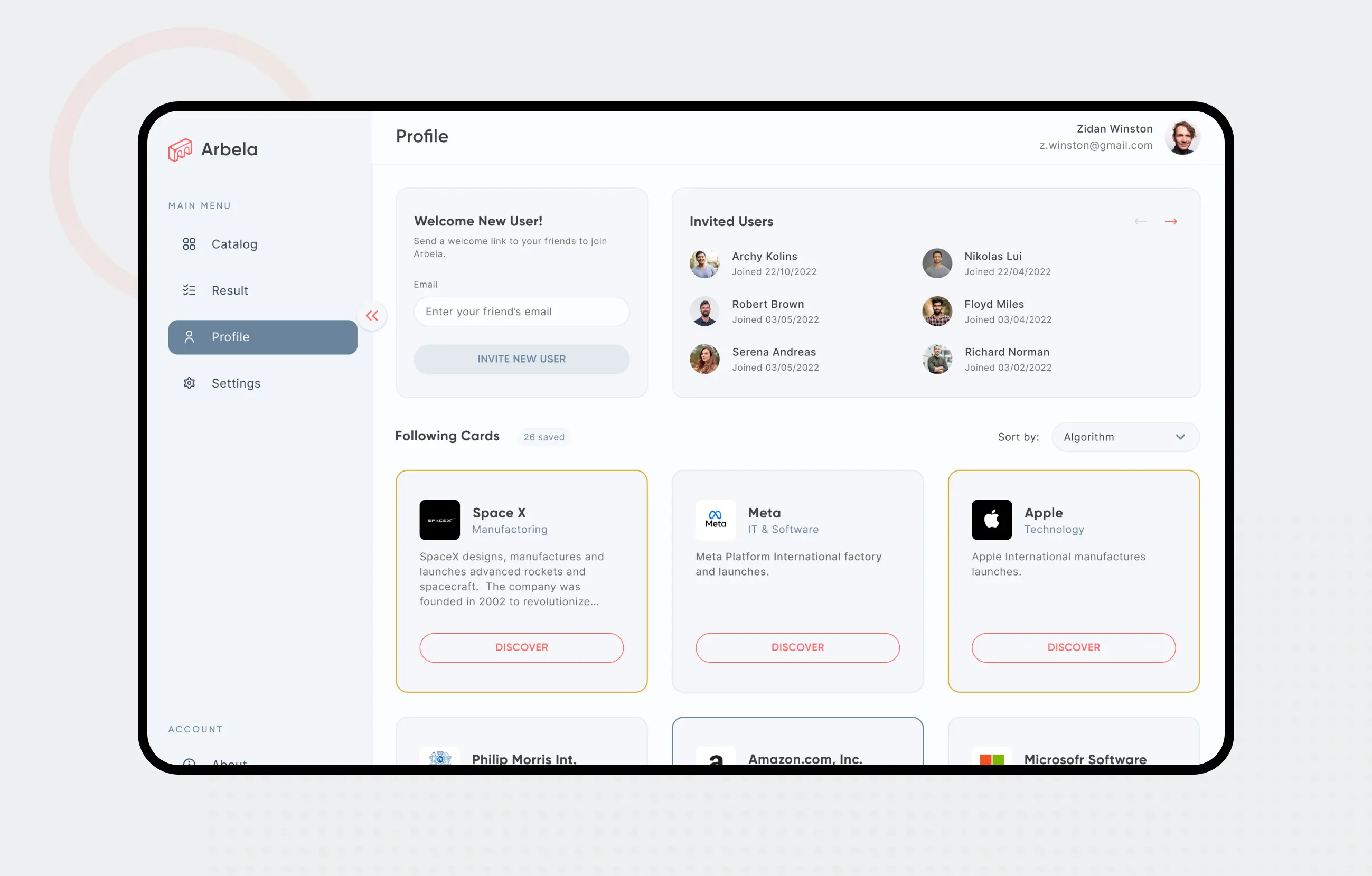
Web3 Investment Platform Development
A collaborative Web3 investment platform where users can discover startups, discuss opportunities, and vote on investment ideas.
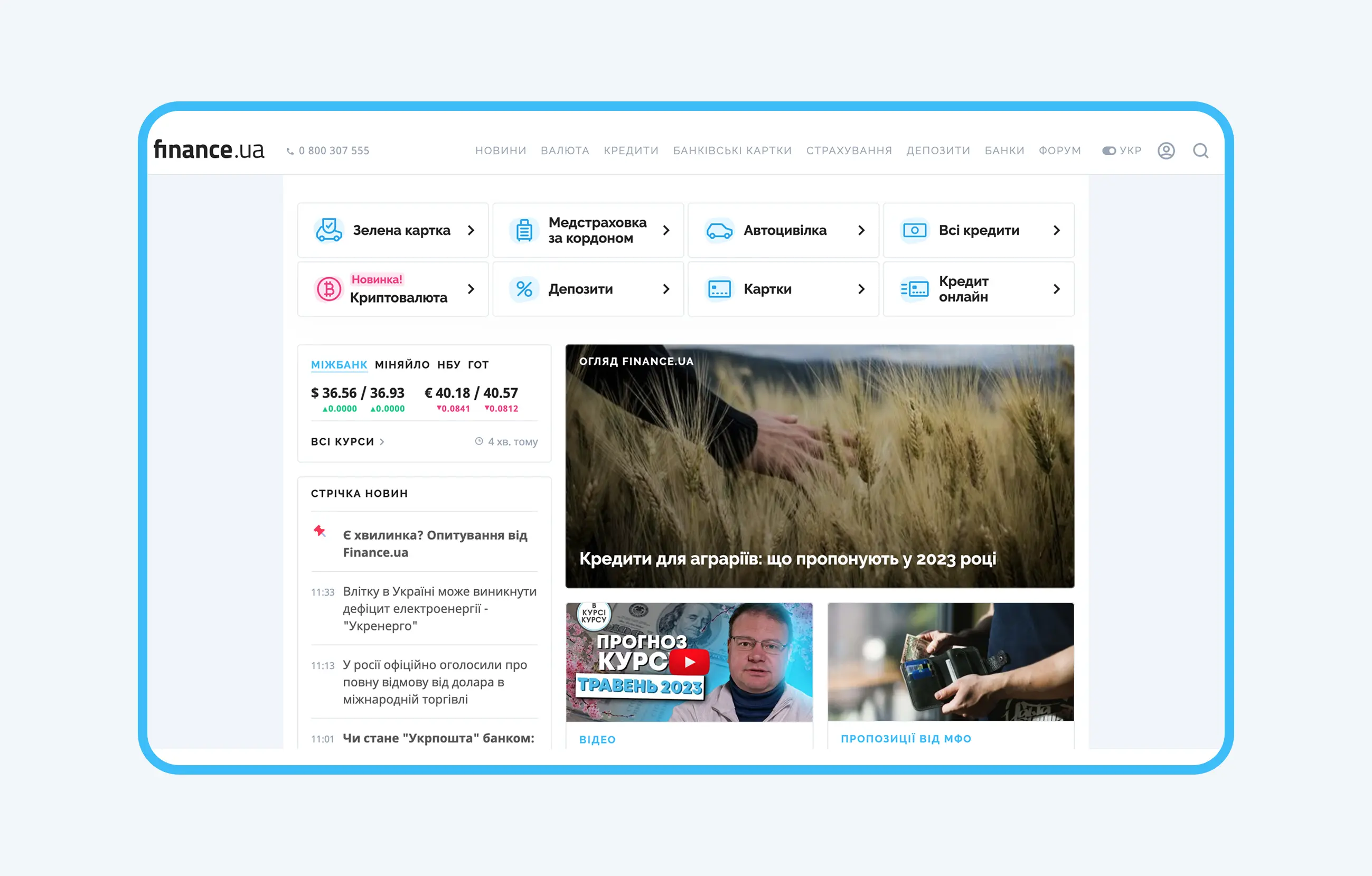
Financial Portal Development
Why Choose Stubbs for DeFi Development
-1747752009059-1781519006987.png)
1
Real DeFi Product Experience
We have built DEX platforms, crypto trading tools, wallets, staking systems, and financial apps designed for real users and active liquidity.
2
Security-first Development Process
Every DeFi protocol goes through manual review, automated analysis, fuzz testing, and audit workflows before mainnet deployment to reduce technical and economic risks.
3
Senior-focused Engineering Team
Our senior and mid-level engineers have hands-on experience with smart contracts, backend systems, DeFi integrations, and building scalable frontends.
4
Multi-chain DeFi Expertise
We work across Ethereum, Polygon, Arbitrum, Base, BSC, and other networks. Our team supports wallet integrations, cross-chain setups, and liquidity solutions.
5
Full-stack DeFi Delivery
Development covers smart contracts, frontend applications, tokenomics implementation, indexing systems, infrastructure, monitoring, and post-launch support within one workflow.
FAQs
1. What is DeFi smart contract development?
What is DeFi smart contract development?
DeFi smart contract development includes building self-executing blockchain contracts for protocols such as DEXs, lending systems, staking platforms, and yield farming products.
2. How much does DeFi development cost?
How much does DeFi development cost?
Costs typically range from $15,000 to over $100,000, depending on how complex your protocol is, what it needs to connect with, its tokenomics, and security needs. A basic DEX might start at $30,000, while lending protocols often need a bigger budget.
3. How long does it take?
How long does it take?
Building a DeFi MVP usually takes about 8 to 13 weeks, including development, testing, and audits. More complex projects can take several months, depending on the design and integrations.
4. Which DeFi protocol type should I choose?
Which DeFi protocol type should I choose?
The right protocol depends on your revenue model, target users, liquidity needs, and ecosystem goals. Each DeFi setup comes with its own operational and security challenges.
5. How do you ensure DeFi security?
How do you ensure DeFi security?
We make security a priority by doing manual reviews, using tools like Slither, running fuzz tests, getting external audits, monitoring, and following secure design patterns before any mainnet launch.
6. Which chains do you deploy DeFi on?
Which chains do you deploy DeFi on?
We commonly deploy on Ethereum, Polygon, Arbitrum, Optimism, Base, BSC, and Solana, depending on your needs for fees, liquidity, and ecosystem fit.
7. Can you design tokenomics?
Can you design tokenomics?
Yes, we can help with tokenomics. Our planning covers APY modeling, governance systems, emission schedules, vesting, and incentive structures for your protocol.
8. Do you provide post-launch support?
Do you provide post-launch support?
Yes, we offer ongoing support after launch. This includes monitoring, upgrades, TVL analytics, adjusting liquidity strategies, and maintaining your infrastructure.
9. Can you audit existing DeFi contracts?
Can you audit existing DeFi contracts?
Yes, we can audit your existing DeFi protocols and smart contracts to check for security issues, economic risks, and architecture problems before you upgrade or deploy.
10. How to get started?
How to get started?
We usually start by talking through your protocol’s architecture, tokenomics, mechanics, security needs, and technical scope.
Let’s Build Your DeFi Protocol
Share your protocol idea, tokenomics, and technical needs with us before you start development.
Name
We would love to help.
What are you interested in:
Name
Tell us about your project and goals
0/1000
Add your file
