View all
Web DevelopmentMobile Development UX/UI DesignStaff Augmentation CTO as a ServiceDedicated TeamLow-Code DevelopmentBlockchain Software Development Company
Stubbs builds blockchain software that supports real product functionality, combining smart contracts, backend systems, and integrations into a single, reliable solution.
Our Projects

Crypto Portfolio Tracking App Development
A cryptocurrency trading platform that allows users in Iceland to securely trade and manage digital assets.

Dex Platform Development
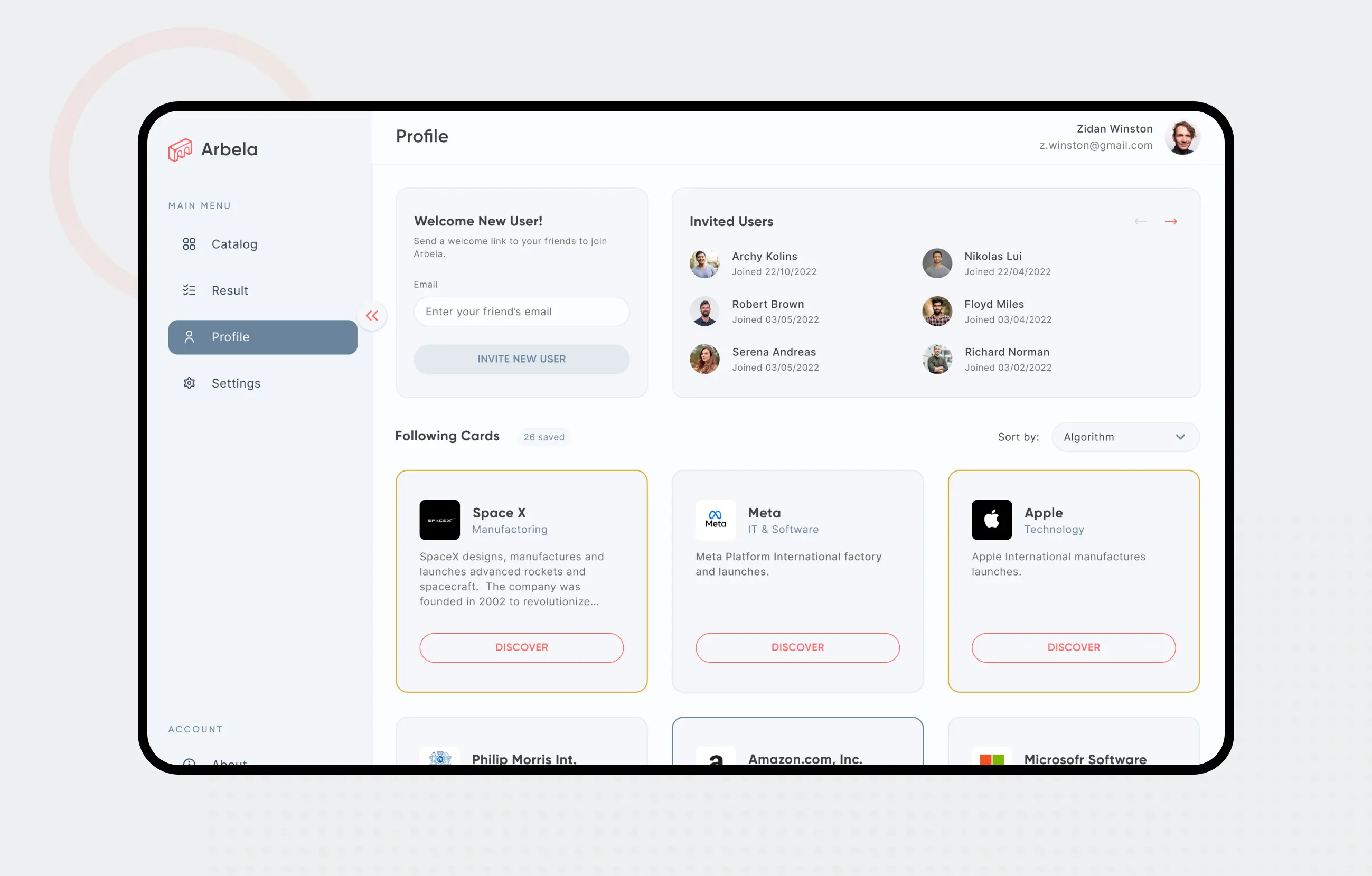
Web3 Investment Platform Development
A collaborative Web3 investment platform where users can discover startups, discuss opportunities, and vote on investment ideas.
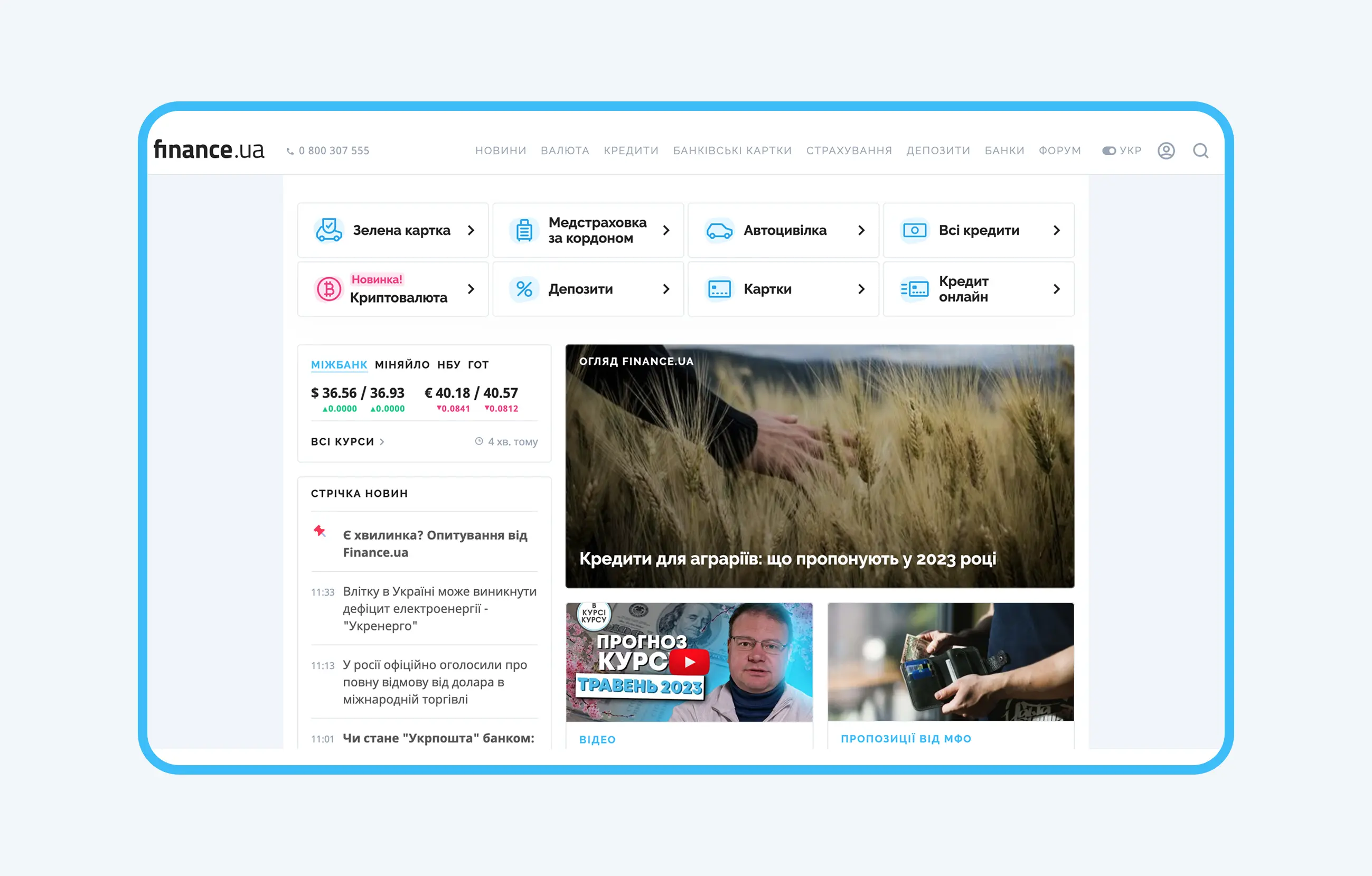
Financial Portal Development
Does Your Product Actually Need Blockchain?
When blockchain adds value
Multi-party systems without a central authority, immutable audit trails, tokenized assets, and automated agreements.
When a traditional database is enough
Products controlled by a single organization, systems where data can be updated, and cases without tokenization or trustless interaction.
Our discovery sprint answers this in 2 weeks
We define whether blockchain is needed, propose an architecture, and provide a clear go/no-go decision based on your product.
How We Architect Blockchain Software
1
On-chain logic — what lives on blockchain
Blockchain architecture starts with defining what should be placed on-chain. Smart contracts handle core rules such as token logic, transaction validation, and governance.
2
Off-chain services — your backend
The rest of the system is handled off-chain. Backend services manage user accounts, APIs, data processing, and integrations with external systems.
3
The bridge — on-chain ↔ off-chain sync
We use event listeners, indexers, and oracles to keep blockchain data synchronized with backend systems.
4
Frontend that feels like a normal app
The frontend manages wallet connections, transaction states, and user interactions, making sure the blockchain complexity stays behind the scenes.
Build on Blockchain — Start with a Free Consultation
Tell us about your project. We'll map out the right architecture, tech stack, and integration path — no fluff, just a clear plan.
Name
Blockchain Software We Build
DeFi Platforms
Development of decentralized finance platforms, including DEX, lending systems, and staking functionality with on-chain logic and integrations.
NFT Platforms & Marketplaces
Implementation of NFT minting, royalties, and marketplace functionality for digital assets across web and mobile products.
Crypto Exchanges & Wallets
Development of centralized and decentralized exchanges, as well as wallet solutions with multi-chain support and transaction handling.
Tokenization Platforms
We create platforms to tokenize real-world assets like real estate, art, and carbon credits, including KYC and AML features.
Enterprise Blockchain Solutions
Implementation of enterprise blockchain systems such as Hyperledger for supply chain, identity, and data verification use cases.
Blockchain-Integrated Web & Mobile Apps
Blockchain software development services for integrating crypto payments and on-chain features into existing web and mobile products.
Smart Contract Development & Audit
Development and audit of smart contracts using Solidity, Rust, and other technologies with a focus on security and correctness.
Blockchain Consulting
Blockchain development consulting, including discovery sprints, chain selection, tokenomics, and planning of blockchain-based systems.
From First Call to Production
Week 1–2 — Discovery & Architecture
We define product requirements, assess feasibility, and select the appropriate blockchain. The team plans the on-chain and off-chain split, identifies core components, and prepares initial estimates.
Week 3–4 — System Design
We create system architecture documents covering smart contract structure, API contracts, and integration points. User flows are mapped, wireframes are prepared, and the solution goes through technical review.
Week 5–10 — Build & Iterate
Smart contracts, backend systems, and frontend applications are developed in parallel. Our team works in sprints, sharing regular demos, reviewing code, and making improvements based on feedback.
Week 11–12 — Audit & Deploy
We run internal and external audits, validate smart contracts, and prepare the system for deployment. The product is deployed from testnet to mainnet with performance checks and monitoring setup.
Post-Launch — Monitor & Scale
We monitor system performance and transaction activity using dashboards and logging tools. The team supports updates, scaling, SLA processes, and knowledge transfer for further development.
Not Sure Where Blockchain Fits? Let's Figure It Out.
Share your product requirements and we'll show you exactly how blockchain can add value — or be honest when it can't.
Our Technology Stack
Blockchain Layer
Solidity, Rust, Vyper | Ethereum, Solana, Polygon, Arbitrum | Hardhat, Foundry, Anchor
Backend & Infra
Node.js, NestJS | PostgreSQL, MongoDB, Redis | AWS, Docker, K8s
Frontend & Mobile
React, Next.js, React Native | ethers.js, Web3.js, WalletConnect
Security & DevOps
OpenZeppelin, Slither, MythX | CI/CD, Grafana, Sentry
Why Choose Stubbs for Blockchain Software Development
-1747752009059-1781514260468.png)
1
Blockchain as Part of Product Architecture
Blockchain is implemented together with backend systems, APIs, and user interfaces, not as a separate layer.
2
Experience with Real Product Integrations
40+ integrations delivered, including payment systems, APIs, and blockchain infrastructure used in production.
3
Full-Stack Delivery
Smart contracts, backend systems, and frontend applications are developed within one team to ensure consistency.
4
Focus on Stable Operation
Systems are built with attention to transaction handling, error cases, and predictable behavior under load.
FAQ
1. What is blockchain software development?
What is blockchain software development?
Blockchain software development is full-stack engineering where blockchain is used as part of the system architecture. It includes smart contracts, backend services, frontend applications, and integrations that allow products to handle transactions, data, and user interactions.
2. How is it different from regular software development?
How is it different from regular software development?
The main difference is that some parts of the system run on the blockchain, while others use regular backend services. This setup brings challenges like immutability, transaction fees, wallet-based actions, and the need to audit smart contracts.
3. How much does it cost?
How much does it cost?
Costs usually range from $15,000 to over $200,000, depending on how complex the project is, how many integrations you need, and the overall scope. A discovery sprint to define your needs and plan the architecture typically costs $3,000 to $5,000.
4. How long does it take?
How long does it take?
An MVP usually takes 6–12 weeks, including smart contracts, backend, and frontend. More complex platforms with multiple integrations and features typically take 3–6 months.
5. Can you add blockchain to our existing product?
Can you add blockchain to our existing product?
Yes. Blockchain functionality can be added to existing systems, including crypto payments, on-chain verification, token-based features, or NFT layers, depending on product requirements.
6. Which blockchains do you work with?
Which blockchains do you work with?
Ethereum, Solana, Polygon, Arbitrum, BSC, and Hyperledger. The choice depends on factors such as performance, cost, ecosystem, and product requirements.
7. Do you handle both frontend and backend?
Do you handle both frontend and backend?
Yes. Development covers smart contracts, backend systems, and frontend applications, allowing all parts of the product to be built and integrated within one team.
8. How do you ensure security?
How do you ensure security?
We ensure security by auditing smart contracts, testing transaction flows, and checking edge cases before launch. After launch, we keep monitoring and updating the system to keep it stable.
9. Do you provide post-launch support?
Do you provide post-launch support?
Yes, we provide support after launch. This includes monitoring performance, fixing issues, scaling infrastructure, and updating features as your product grows.
10. How to get started?
How to get started?
We start by discussing your product and requirements. Next, we schedule an architecture call. Within 48 hours, you’ll get a proposal with the scope, timeline, and next steps.
We would love to help.
What are you interested in:
Name
Tell us about your project and goals
0/1000
Add your file
